Sufferers of headaches know just how debilitating they can be.
Headaches occur in millions of individuals across the country, and they
have a mirad of different causes. The consumption of different foods can
be the cause and the cure of headaches. Food allergies
and sensitivities are a leading cause of headaches and migraines. The
symptoms of headaches and migraines are not only pain, but can include
vertigo, fatigue, malaise, and auditory and visual auras. Auras are a
change in perception that can accompany severe headaches.
Individuas who suffer severe headaches and migraines may find
themselves bedridden from the pain. A condition called chronic migraines
sees sufferers in pain more than 50% of the time. There are a variety
of medications available to treat headaches, but some people find that
medication does not lessen the severity of their pain. Alternative
treatments include lifestyle changes, stress management, and dietary
changes. Improper nutrition can easily be the cause of a headache.
Here are 15
foods that could relieve your headache and get you back to feeling good
in no time:
1. Salad
If you wake up with a pounding headache from partying too hard from
the night before, your pain may be in part from dehydration. One great
meal to make to help rehydrate yourself is salad. Lettuce leaves are
high in water and fiber, which will make your body feel great. Iceberg
lettuce has a high water content but low level of nutrients, so consider
a blend of different lettuce types.
2. Coffee
In moderation, coffee can be a great fix for a pounding headache.
Caffeine is a vasoconstrictor, which means it can reduce the size of
blood vessels. In excess, this can cause a headache. However, one cup of
coffee could help tame a difficult migraine. If your headache is caused
by seasonal allergies, coffee will have an even greater effect. Coffee
can reduce the release of histamine in your blood, which will calm
allergic reactions and save your head from pounding pain.
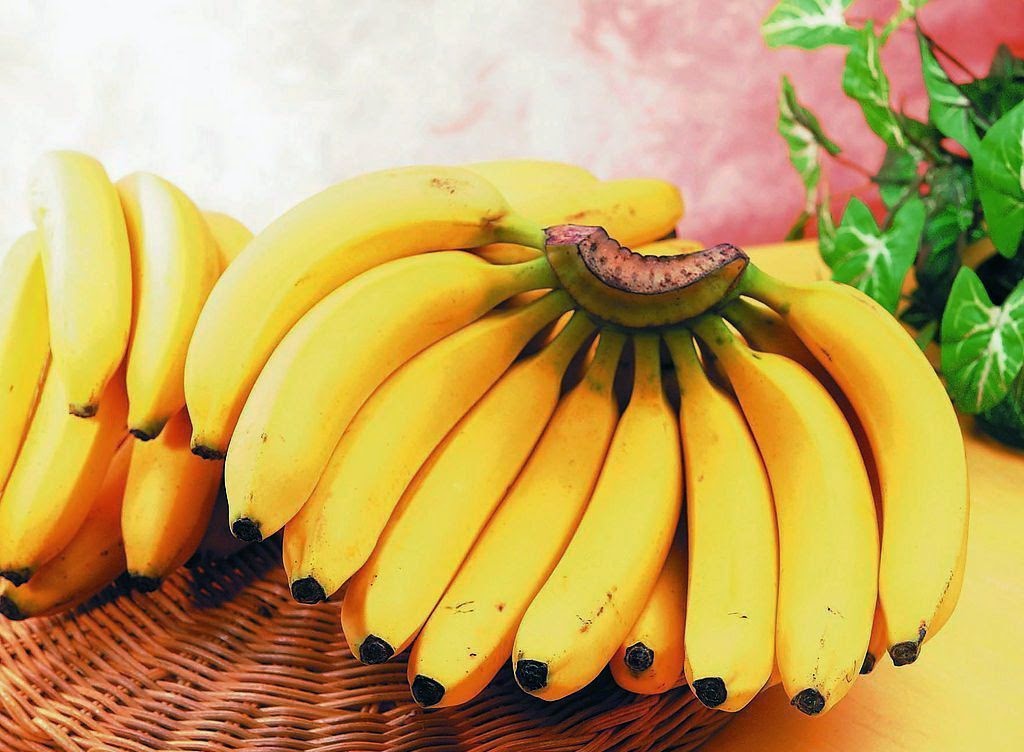
3. Bananas
Bananas are a great food to eat when trying to relieve a stubborn
headache. They are high in magnesium, which can relax your blood vessels
and ease head pain. They are also high in potassium, which is an
essential part of your electrolyte balance. A night of heavy drinking
can leave you with a painful hangover and you may need to replace your
lost electrolytes due to dehydration.
4. Spicy Foods
If seasonal allergies or the flu have your head pounding, try
snacking on spicy foods. Consuming spicy foods can relieve congestion,
which will reduce sinus pressure and open up your airways. Chili powder
is also packed with vitamin E. This nutrient can relax your blood
vessels, helping give relief to a sore head. Vitamin E supplements pills
can cause headaches, so consult with your doctor before taking high
doses of this vitamin.
5. Bread
Whole grain bread is a great food for people suffering with headaches
or migraines. The unprocessed grains release carbohydrates slower than
white bread, which can replenish your physical energy. If you have
started a new diet, headaches can be common as your body gets used to
its new fuel sources. Remember to consume healthy carbohydrates for
complete nutritional health. Some simple toast with butter could be the
ticket to a pain free head.
6. Potatoes
Enjoy your potatoes with their skin on for the best headache relief.
The skin of a large potato is packed with potassium. Potassium
deficiencies are very common, with the majority of people never reaching
their daily recommended levels of the vitamin. A diet with excess salt
can further exacerbate the problem. Enjoy potatoes, with their skin, as a
potassium rich food for easy headache care.
7. Yogurt
Having a snack high in calcium can help relax your body and take care
of a sore head. Low calcium levels can cause painful headaches, so make
sure you are consuming your daily recommended doses of this vital
nutrient. Yogurt is a delicious way to get a boost of calcium. Look for
0% fat Greek varieties for one of the healthiest yogurt available.
Yogurt with berries for breakfast would be an ideal way to start
battling a tough hangover.
8. Almonds
Start helping your sore head by eating a handfull of almonds. This
healthy snack is high in tryptophan, an amino acid that helps release
serotonin, the feel good brain chemical. Turkey is another great option
for consuming this amino acid. Almonds are also full of magnesium, which
can relax your muscles and blood vessels. Physical pain and mental
stress can cause tension headaches, which would benefit from consuming
extra magnesium.
9. Watermelon
Watermelon is a delicious way to quickly rehydrate and consume
healthy sugars. Watermelon has a very high water content, thus its name.
You can enjoy watermelon cut up, frozen, or blended into drinks.
Dehydration can quickly cause a pounding headache so if you find it
difficult to drink enough water throughout the day, try snacking on high
water fruits and vegetables. This is especially importent in the summer
months when heatstroke is a danger.
10. Mushrooms
Mushrooms are high in vitamin B2, also called riboflavin. This
nutrient is importent in making celular energy.
Riboflavin deficiencies can occur due to poor diet or genetic
predisposition. Eating a diet high in B2 can help relieve and prevent
headaches. Mushrooms have high levels of riboflavin, along with broccoli
and spinach. Many cereals also come fortified with B2.
11. Salmon
Diets high in healthy fats have been shown to help relieve chronic
headaches. Salmon contains a large amount of omega-3 fatty acids, which
can reduce inflammation and stop a sore head. Other healthy fats include
olive oils, avocado, and other fish products. Sardines are a great
option. Some studies have found that regularly consuming olive oil can
reduce the number of headaches, the length they last, and the severity
of the pain.
12. Cucumber
Prevent getting headaches in the first place by drinking water
throughout the day. Cucumbers are a great high water vegetable that can
quickly rehydrate a sore body. If you’re battling a painful hangover,
make a green smoothie to start your day. Blend together cucumber,
apples, and spinach for a high water, high nutrient drink. Other high
water foods include berries, tomatoes, and celery.
13. Liver
Beef liver is very high in vitamin B3, also known as niacin. Slight
deficiencies of niacin can cause pounding headaches and migraines.
Niacin is a water soluble vitamin, which means that you can eat it in
excess without worries of overdoses. Enjoy liver as an entree, sausages,
or as pâté. Liver fried with onions is a popular home style dish served
at diner restaurants. This healthy food is also high in B6, B12,
folate, vitamin A, vitamin E, and vitamin K.
14. Quinoa
This health food is a popular new food on the market. Quinoa is a
seed, not a grain, which means it’s high in protein and relatively low
in carbohydrates. Quinoa is also high in magnesium. This nutrient is of
great benefit to women suffering from menstrual migraines. Other foods
high in magnesium include sunflower seeds, sweet potatoes, Swiss chard,
and brown rice.
15. Spinach
Spinach is a powerhouse of migraine relief. It has been shown to
reduce blood pressure, which can prevent chronic headaches. It can also
help tame a killer hangover. Spinach is also high in magnesium. This
leafy green has a high water content, which can help with dehydration or
hangovers. Enjoy this vegetable raw in a salad or lightly cooked.
Overcooking this green could destroy some of the beneficial nutrients.
I loved getting peanut butter and jelly sandwiches in my school lunch box—until I
became a teenager. That's when peanut butter turned into a guilt-ridden
indulgence akin to candy bars, cookies, and cakes: diet disasters to be
avoided at all costs.
Here's why I was wrong:
It helps you lose weight
Calling peanut butter a
diet food, with 180 to 210 calories per serving, may seem
counter-intuitive. But it has the enviable combination of fiber (2 g per
serving) and protein (8 g per serving) that fills you up and keeps you
feeling full longer, so you eat less overall. Plus, there's nothing more
indulgent than licking peanut butter off a spoon--and indulgence (in
moderation) helps dieters fight cravings and stay on track.
It's packed with nutrition
A serving of peanut
butter has 3 mg of the powerful antioxidant vitamin E, 49 mg of
bone-building magnesium, 208 mg of muscle-friendly potassium, and 0.17
mg of immunity-boosting vitamin B6. Research shows that eating peanuts
can decrease your risk of heart disease, diabetes, and other chronic
health conditions. One study published in the Journal of the American Medical Association
found that consuming 1 ounce of nuts or peanut butter (about 2
tablespoons) at least 5 days a week can lower the risk of developing
diabetes by almost 30%.
It's got the good fat
Peanut butter is chock-full
of heart-healthy monounsaturated fat. A recent study found that
insulin-resistant adults who ate a diet high in monos had less belly fat
than people who ate more carbohydrates or saturated fat. PS: If you're
buying reduced-fat peanut butter because you think it's better for your
waistline, save your money. The calories are the same (or even a little
higher) thanks to the extra ingredients that are added to make up for
the missing fat (including more sugar).
How to buy the best
The fat and calorie counts of most brands of peanut butter are
similar, but there are other indications of a healthier pick. Here's
what to look for:
Sodium: Counts can range from 40 mg to 250 mg per
2-tablespoon serving. (Organic versions tend to have less.) Keep in mind
that higher sodium content tends to mask the peanut flavor.
Sugar: Natural brands have 1 to 2 g—about half as
much as commercial brands. The sugar content isn't so much a health
issue as a question of flavor and use: If you're making a savory dish
like satay sauce or combining peanut butter with a sweet ingredient,
such as jelly or honey, save a few calories by choosing an unsweetened
brand.
For Sauces
Peanut Butter & Co.'s Smooth Operator is the PB you spoon instead
of spread, making it ideal for drizzling over fruit or adding peanut
flavor without thickness to sauces or soups.
Straight off the spoon
Smucker's Natural or Organic have the best peanut flavor of the
mass-market brands. They have a pure taste and the quintessential
stickiness.
For lunches
Nothing beats the spreadability of Skippy Natural. With just a couple
of swipes of a knife, you get an even layer of peanut butter on your
sandwich. If I were stuck on a desert island, the jar I'd treasure is
Adams Organic, which has a pure roasted-peanut flavor and a spreadable
but thick texture.

Those who say all fats are bad for you are, of course, dangerously incorrect. As it turns out, plant-based
fats are powerful cancer fighters, and even saturated fats from plant
sources are now being shown to offer extraordinary health benefits.
If you want to prevent cancer, or you're currently battling colon cancer, prostate cancer or breast cancer, it is essential to get plant-based fats into your diet on a daily basis. What kind of plant-based fats are we talking about? What are the healthy fats?
Canola oil is what I consider a neutral fat, meaning it's not
necessarily a bad fat, but neither is it considered one of the healthier
fats. The healthy fats include extra-virgin olive oil, flax seed
oil, and fats from plant sources such as nuts, seeds, avocados, and
coconuts.
These healthy fats should be consumed with every meal. Failure to
include these fats in a meal will result in many of the nutrients
consumed during the meal not being absorbed by the body. That's because
many nutrients are fat-soluble nutrients. Beta carotene, Vitamin D,
and Vitamin E are three such nutrients that require fat in order to be
absorbed and used by the human body, but there are many other nutrients
that also need fats for human metabolism.
Incidentally, these oils do much more than just fight cancer, they also
improve your cardiovascular health and fight weight gain and obesity. The benefits list is a long one.
A fascinating new study published, shows that dietary fat is necessary
for the absorption of nutrients from fruits and vegetables. In the
study, people who consumed salads with fat-free salad dressing absorbed
far less of the helpful phytonutrients and vitamins from spinach, lettuce, tomatoes and carrots than those who consumed their salads with a salad dressing containing fat.
This is interesting research, but not necessarily all that surprising.
We've known for a long time that healthy fats are a critical part of a
healthy diet, and that avoiding fats actually causes chronic disease.
The key is in choosing the right kind of fats for your diet and making
sure you don't overdo the fats, because fats have a very high caloric
density and can add far more calories to your meal than you might
expect.
The fact is we all need fats. Fats helps nutrient absorption, nerve transmission, maintaining cell membrane integrity etc. However, when consumed in excess amount, fats contribute to weight gain, heart disease
and certain types of cancer. Fats are not created equal. Some fats
promote our health positively while other increases our risks of heart
disease. The key is to replace bad fats with good fats in our diet.
In other words, if you take super food supplements without fat, you're
not getting the same benefit as taking the same supplements with a
little bit of fat
The total amount of fat you eat, whether high or low isn't really linked with disease. What really matters is the type of fat you eat.
Salmon's reputation as a healthy food is largely based on its unusual
omega-3 fatty acid content. It is normal for 4 ounces of salmon to
contain at least 2 grams of omega-3 fats - more than the average U.S.
adult gets from all food over the course of several days. This omega-3
fat comes in two forms: EPA (eicosapentaenoic acid) and DHA
(docosahexaenoic acid). However, salmon is also rich in other
properties, such as vitamin D and selenium, each of which have their own
powerful health benefits.
Intriguing research into the protein and amino acid content of this
fish has found that salmon also contains small bioactive protein
molecules (called bioactive peptides) that may provide protection for
joint cartilage, support with insulin effectiveness, and control of
inflammation in the digestive tract.
One thing to bear in mind, though,
is that all of these benefits are derived from the consumption of wild salmon, and the farmed kind is an entirely different kettle of fish.
Here are 6 health benefits of salmon:
Inflammation
Research on fish intake and joint protection has shown that the omega-3
fatty acids found in salmon can be converted by the body into three
types of compounds that prevent chronic inflammation. What's especially
interesting is that it combines these anti-inflammatory benefits with
anti-inflammatory relief related not to fat but to protein.
Recent studies show the presence of bioactive peptides in salmon may
support healthy joint cartilage and other types of tissue. One bioactive
peptide named calcitonin has been of special interest because it is
also made in the human body by the thyroid gland, and we know that it
helps regulate and stabilize the balance of collagen and minerals in
bone and surrounding tissue. Such peptides may combine with salmon's
omega-3 molecules to provide powerful anti-inflammatory benefits for
joints. The incredibly high content of vitamin D and selenium found in
salmon have also been shown to be key agents in preventing unwanted
inflammation.
Cognitive Function
Much research has proven docosahexaenoic acid (DHA) to be the most
important fat found in the brain, and the substantial content of this
omega-3 fatty acid in salmon explains the benefits of salmon intake for
thinking and the decreased risk of certain brain-related problems.
Salmon intake is associated with decreased chances of depression,
hostility in some studies of teenagers, and decreased cognitive decline
in older people. Some studies have also demonstrated an association
between IQ and a diet rich in omega-3 fatty acids.
Of particular interest is the recent discovery of what are called
protectins. These are special compounds made from DHA which studies have
shown play an important role as anti-inflammatory molecules,
particularly when produced by nerve tissue. There has been speculation
that some of the brain-related value of omega-3 fish intake may be due
to conversion of the DHA in these fish to protectins that can aid in
preventing excessive inflammation. Vitamin D has also been shown to be a
major factor in supporting cognitive function, and salmon abounds in
this nutrient.
Cancer Prevention
Vitamin D has been shown to play a crucial role in lowering the risk of
several types of cancer, including breast, prostate, and colorectal
cancer. Salmon contains particularly high levels of vitamin D and
selenium, which is also associated with prevention of certain types of
cancer, including colorectal cancer.
Omega-3 fat is also connected to decreased risk for several types of
cancer, including colorectal cancer, prostate cancer, and breast cancer.
Regular omega-3 intake has been proven particularly effective against
the blood cell or lymph cell-related cancers such as leukemia, multiple
myeloma, and non-Hodgkins lymphoma.
Eye Health
It is well known that fish oil is good for improving vision. It also
helps in avoiding age related macular degeneration. The omega-3 fats
found in salmon have been demonstrated to be effective in combating both
macular degeneration and chronic dry eye. In the case of macular
degeneration, two servings of salmon per week is enough to significantly
decrease risk.
Studies on dry eye have begun to focus specifically on the
neuroprotectins made from DHA in salmon and other omega-3 fish. These
omega-3 derived molecules might aid in preventing chronic dry eye by
alleviating inflammation.
Cardiovascular Health
Intake of salmon has been connected to a decreased risk of numerous
cardiovascular problems, such as heart attack, stroke, heart arrhythmia
and high blood pressure. Consumption of omega-3-containing salmon is
also linked with improved metabolic markers for cardiovascular disease.
The high levels of the antioxidant selenium in salmon have also been
shown to be especially important in cardiovascular protection.
Skin and Hair Health
The omega-3s found in salmon lock moisture into skin cells, encouraging
the production of strong collagen and elastin fibers, which contribute
to more youthful looking skin. Omega-3s have also been known to
alleviate skin blemishes and maintain a good luster of the hair.
Omega-3s provide nourishment to hair follicles, helping hair grow
healthy and preventing hair loss. A rich supply of proteins is also
important for hair growth. The high protein content of salmon helps
maintain strong, healthy hair.
Posted in eat, eat healthy, fat burning food, health benefits, healthy, healthy eating, omega-3, reasons, salmon, tips, wild salmon
Not only are sweet potatoes readily available, inexpensive, and delicious, there are many other reasons to love these yummy vegetables.
Here are 9 reasons why you should start eating these sweet potatoes:
- They are high in vitamin B6. Vitamin B6 helps reduce the chemical homocysteine in our bodies. Homocysteine has been linked with degenerative diseases, including the prevention of heart attacks.
- They are a good source of vitamin C. While most people know that vitamin C is important to help ward off cold and flu viruses, few people are aware that this crucial vitamin plays an important role in bone and tooth formation, digestion, and blood cell formation. It helps accelerate wound healing, produces collagen which helps maintain skin’s youthful elasticity, and is essential to helping us cope with stress. It even appears to help protect our body against toxins that may be linked to cancer.
- They contain Vitamin D which is critical for immune system and overall health at this time of year. Both a vitamin and a hormone, vitamin D is primarily made in our bodies as a result of getting adequate sunlight. You may have heard about seasonal affective disorder (or SAD, as it is also called), which is linked to inadequate sunlight and therefore a vitamin D deficiency. Vitamin D plays an important role in our energy levels, moods, and helps to build healthy bones, heart, nerves, skin, and teeth, and it supports the thyroid gland.
- Sweet potatoes contain iron. Most people are aware that we need the mineral iron to have adequate energy, but iron plays other important roles in our body, including red and white blood cell production, resistance to stress, proper immune functioning, and the metabolizing of protein, among other things.
- Sweet potatoes are a good source of magnesium, which is the relaxation and anti-stress mineral. Magnesium is necessary for healthy artery, blood, bone, heart, muscle, and nerve function, yet experts estimate that approximately 80 percent of the population in North America may be deficient in this important mineral.
- They are a source of potassium, one of the important electrolytes that help regulate heartbeat and nerve signals.
Like the other electrolytes, potassium performs many essential
functions, some of which include relaxing muscle contractions, reducing
swelling, and protecting and controlling the activity of the kidneys.
- Sweet potatoes are naturally sweet-tasting but their natural sugars are slowly released into the bloodstream, helping to ensure a balanced and regular source of energy, without the blood sugar spikes linked to fatigue and weight gain.
- Their rich orange colour indicates that they are high in carotenoids like beta carotene and other carotenoids,
which is the precursor to vitamin A in your body. Carotenoids help
strengthen our eyesight and boost our immunity to disease, they are
powerful antioxidants that help ward off cancer and protect against the effects of aging.
Studies at Harvard University of more than 124,000 people showed a 32
percent reduction in risk of lung cancer in people who consumed a
variety of carotenoid-rich foods as part of their regular diet. Another
study of women who had completed treatment for early stage breast cancer
conducted by researchers at Women’s Healthy Eating and Living (WHEL)
found that women with the highest blood concentrations of carotenoids
had the least likelihood of cancer recurrence.
- They are versatile. Try them roasted, puréed,
steamed, baked, or grilled. You can add them to soups and stews, or
grill and place on top of leafy greens for a delicious salad. I enjoy
grilling them with onions and red peppers for amazing sandwich or wrap
ingredients. Puree them and add to smoothies and baked goods.
Some people love broccoli and some people hate it, but there's no denying that broccoli is a nutritional wonder.
Here are 10 reasons why broccoli should be an essential part of your diet:
Nervous System
Broccoli contains a high amount of potassium, which helps maintain a healthy nervous system and optimal brain function, as well as promotes regular muscle growth.
Blood Pressure
Along with a high amount of potassium, Broccoli also contains magnesium and calcium that help regulate blood pressure.
Vitamin C
One cup of broccoli contains the RDA of vitamin C, an antioxidant necessary for fighting against free radicals. Moreover, vitamin C is an effective antihistamine for easing the discomfort of the common cold.
Bone Health
Broccoli contains high levels of both calcium and vitamin K, both of which are important for bone health and prevention of osteoporosis.
Sun Damage
Broccoli is helpful in repairing skin damage thanks to the glucoraphanin it contains which helps the skin to detoxify and repair itself.
Immune System
One cup of broccoli bolsters the immune system with a large dose of beta-carotene. Trace minerals, such as zinc and selenium, further act to strengthen immune defense actions.
Cancer Prevention
Broccoli contains glucoraphanin, which with the body processes into the anti-cancer compound sulforaphane. This compound rids the body H. pylori, a bacterium found to highly increase the risk of gastric cancer. Furthermore, broccoli contains indole-3-carbinol, a powerful antioxidant compound and anti-carcinogen found to not only hinder the growth of breast, cervical and prostate cancer, but also boosts liver function.
Diet Aid Broccoli is high in fiber, which aids in digestion, prevents constipation, maintains low blood sugar, and curbs overeating. Furthermore, a cup of broccoli has as much protein as a cup of rice or corn with half the calories.
Eye Health
Studies have shown that the carotenoid lutein helps prevent age-related macular degeneration and cataracts, as well as possesses anti-cancer effects. Additionally, broccoli is a good source of vitamin A that is needed to form retinal, the light-absorbing molecule that is essential for both low-light and color vision.
Heart Health
The carotenoid lutein may also slow down or prevent the thickening of arteries in the human body, thus fighting against heart disease and stoke. The B6 and folate in broccoli also reduce the risk of atherosclerosis, heart attack, and stroke.
Posted in broccoli, broccoli benefits, broccoli health benefits, eat healthy, healthy eating, healthy fat burning foods, healthy habits, healthy living, vegan, vege, vegetable
Eat more veggies, drink more water, move more and get rid of the junk. All great ideas.
It also got me thinking. For me at least, the most difficult part of healthy eating is when it comes to snacks.
It would be nice to think we’re all going to start reaching for a raw
carrot or celery stick when hunger strikes between meals. But it can be
difficult to go from junk to super healthy in one step.
So here are a few ideas to help you snack more healthfully.
As with all things, remember that even healthy snacks are not going to be good for you in large quantities, so moderation is key.
10 Healthy Snack Ideas
Nori sheets
Head to your local Japanese or Asian grocery store and grab some nori.
Yes, the seaweed stuff used in sushi rolls is delicious fresh from the
pack. Although it is quite drying so you will need some water with it.
Nuts
My to-go snack, especially when I’m traveling. Almonds, brazil nuts,
macadamias, pistachios: there’s so much variety to explore. Nuts are
portable, delicious and packed with minerals. Look for dry roasted,
preferably unsalted. And remember nuts like almonds with their skins on
have more fiber than those without.
Kale chips
There are a heap of different commercial kale chips on the market these
days. While delicious, they tend to be expensive, so you could have a go
at making your own. Just toss some kale (or other leafy greens) in a
little oil, layer on a baking sheet and bake for 5-10 minutes until
crisp.
Salsa
Based mostly on tomato and chilli, a good salsa can be a great way to boost your veggie intake.
Nut butters
Look for unsweetened nut butters such as almond or cashew butter at your
local health food store, or try making your own. Pop a handful of nuts
in your food processor and whizz until it forms a nut butter, adding a
little oil to help if it looks too dry.
Antipasto
The Italians know a thing or two about healthy snacking. Olives,
marinated veg like eggplant, artichokes or peppers all make wonderful
quick snacks. You can even throw in a little proscuitto (but don’t tell
Leo).
Mezze
Similar to antipasto, these Lebanese small plates are a great thing to
have in the fridge. Hummus is probably the most famous but there’s also
babaganoush, tatziki and beetroot drips to make your carrot and celery
sticks more appealing.
Boiled eggs
While not for the vegans, eggs are a wonderful source of protein. Boil up a whole batch at once then keep them in the fridge to peel and eat with a little salt and pepper as needed.
Roast chickpeas
I just adore chickpeas (garbanzo beans) in all their forms. And have
recently started roasting them and tossing with a little spice to serve
as a snack. So. Good. [recipe below]
Dark chocolate
When only something sweet will do, dark chocolate is your best bet. At
least you’ll also be getting some antioxidants. Look for good quality
brands that tell you the % cocoa solids. The higher the cocoa, the less
sugar.
Have you ever stopped to consider what relationship you have with food?
We don’t often think we even have a relationship with food, and yet we do — and it’s pretty intimate.
Think about this: if you’re like me, you spend as much or more time
with food than you do with many of the loved ones in your life — several
hours a day or more.
And consider this: technically, food is just fuel for living. That’s all — nothing else.
And yet … it has become so much more to most of us:
- we use food for pleasure
- we use it for comfort
- we turn to food when we’re sad, depressed, hurt
- we use food to socialize
- we use it as a reward
- we do it when we’re bored
- food can also be a chore
- we use food as gifts
- we turn to food when we’re lonely
- food can be associated with sex
- food is equated to health
- sometimes, food becomes an obsession
- it definitely can be an addiction
- food can make us hate ourselves
- food is the center of many billion-dollar industries
In fact, the huge food-related industries
are at the center of much of our relationship with food: restaurants,
fast-food chains, convenience foods, agribusinesses, distributors,
grocery chains, snack foods, bakeries, coffee shops, dessert chains,
health food, diet foods, supplements, bodybuilding food, and many
others. They spend billions upon billions every year trying to get us to
eat more and more food — their food in particular — and the horrifying
thing is that all this advertising really, really works.
We have been convinced that the answer to almost any problem is food.
You truly love someone? Buy them chocolates, or take them to a
restaurant, or bake them cookies. Want to lose weight? Eat diet food.
Want to get fit? Take our supplements, eat our meat, drink our milk.
Want to be healthy? Eat our healthy products. Want to reward yourself?
There are too many options to name here. Having a bad day? We’ve got the
food for you. Don’t have time? Our food will save time. Want to save
money? Buy super size and “save”.
Food is the answer to everything, apparently.
And yet, we forget that food is just fuel. We need to eat a certain
amount to live and maintain our weight. If we eat more than that, we
will store some of that fuel as fat (or build muscle if we’re
exercising). And how do we lose weight? By eating, apparently — eat diet
food, drink diet shakes, eat Zone bars, eat vegetarian products, eat
meat and other protein sources, eat low-fat products, eat our cereal,
drink our diet soda.
But what if we … just ate less?
Despite what the food industries have convinced us, we don’t need to
eat as much as we do to survive. Sure, maybe eating that much is fun,
and pleasurable, and will stave off boredom, and is fun to do with
friends and family, and so on. But we don’t need to eat that much. Actually, we need to eat less.
The problem isn’t that it’s so difficult to eat less. The problem is
that we have a complicated relationship with food that started when we
were toddlers and has become more and more complicated through the
years, through endless amounts of advertising, of eating when we’re sad
and lonely and happy and bored and at parties and going out and on dates
and watching TV and dieting and so on.
Our complicated relationship with food makes it hard to cut back on how much we eat. So let’s start building a new relationship with food:
- Start recognizing exactly why we eat — is it just for sustenance or
is our hunger often triggered by other things (boredom, socializing,
pleasure, etc.)?
- Start realizing the effects that advertising and the food industries have on how we think about food and how we eat.
- Stop eating when we’re bored, out of habit, as a reward, for pleasure, for comfort, etc.
- Only eat what and how much we need.
- Find other ways to entertain ourselves, comfort ourselves, find pleasure, etc.
- Find other ways to socialize than eating large amounts of food.
- Stop obsessing so much about food.
- End our addiction with certain foods — sugar, for example, or
starches. We can still eat them, but we don’t need to eat them as much.
Think about it: how much simpler would life be if you could end this
complicated relationship with food? Some changes that might happen:
- You’d spend less time thinking about food.
- You’d spend less time preparing food.
- You’d spend less money on food.
- You’d eat less.
- You’d get healthier.
Fasting
I have to give credit to Brad Pilon and his excellent ebook, Eat Stop Eat,
for inspiring this post. Brad shook up a few of my notions about
eating, my assumptions about standard beliefs in the health industry,
and about why we are conditioned to eat so much.
While I haven’t yet decided to try Brad’s super simple method for
losing fat — fast 1-2 days a week and eat normally on other days, plus
strength training — I definitely recommend his book as a way to
challenge the ideas you might have read in magazines or fitness blogs.
But what’s most interesting is how he recommends 24-hour fasts as a
way to transform your relationship with food. By fasting, you learn to
give up your need to eat for reasons other than fuel. You learn that
hunger is often conditioned by other things, and you end that
conditioning. You learn that hunger is OK, and after awhile the fasts
don’t bother you at all. At least, that’s what Brad claims, and it
sounds reasonable to me. I might try fasting for this reason alone.
Now, some of you will object to fasting on the usual grounds — it’s
unhealthy, your body goes into starvation mode, it’ll slow down your
metabolism, your body will start using muscle as fuel, your blood-sugar
levels will drop too low, you won’t have energy. Those are the same
reasons I objected. And I won’t try to refute these ideas — Brad’s book
does a much better job.
Anyway, you don’t need to fast to transform your relationship with food. It’s one way, and I thought it was an interesting idea.
In the end, let’s teach ourselves some simple things: food is just
fuel. Most of us need to eat less. Food isn’t love or entertainment or
anything else like that. It’s just fuel.