Showing posts with label health benefits. Show all posts

June 26, 2014

Healthy Cooking Oil — Which Oil Do You Use?

You have many options when it comes to selecting fats and oils for cooking.

But it’s not just a matter of choosing oils that are healthy, but also whether they stay healthy after having been cooked with.

The Stability of Cooking Oils

When you’re cooking at a high heat, you want to use oils that are stable and don’t oxidize or go rancid easily. When oils undergo oxidation, they react with oxygen to form free radicals and harmful compounds that you definitely don’t want to be consuming. The most important factor in determining an oil’s resistance to oxidation and rancidification, both at high and low heat, is the relative degree of saturation of the fatty acids in it.

Saturated fats have only single bonds in the fatty acid molecules, monounsaturated fats have one double bond and polyunsaturated fats have two or more. It is these double bonds that are chemically reactive and sensitive to heat.

Saturated fats and monounsaturated fats are pretty resistant to heating, but oils that are high in polyunsaturated fats should be avoided for cooking. Alright, now let’s discuss each type of cooking fat specifically.

The Winner: Coconut Oil

Coconut Oil

When it comes to high heat cooking, coconut oil is your best choice. Over 90% of the fatty acids in it are saturated, which makes it very resistant to heat. This oil is semi-solid at room temperature and it can last for months and years without going rancid.

Coconut oil also has powerful health benefits. It is particularly rich in a fatty acid called Lauric Acid, which can improve cholesterol and help kill bacteria and other pathogens. The fats in coconut oil can also boost metabolism slightly and increase feelings of fullness compared to other fats. It is the only cooking oil that made it to my list of superfoods.

Fatty Acid Breakdown:
  • Saturated: 92%.
  • Monounsaturated: 6%.
  • Polyunsaturated: 1.6%.
Make sure to choose virgin coconut oil. It’s organic, it tastes good and it has powerful health benefits. The saturated fats used to be considered unhealthy, but new studies prove that they are totally harmless. Saturated fats are a safe source of energy for humans.

Butter


Butter was also demonized in the past due to its saturated fat content. But there really is no reason to fear real butter. It’s the processed margarine that is the truly awful stuff.

Real butter is good for you and actually fairly nutritious.

It contains Vitamins A, E and K2. It is also rich in the fatty acids Conjugated Linoleic Acid (CLA) and Butyrate, both of which have powerful health benefits. CLA may lower body fat percentage in humans and butyrate can fight inflammation, improve gut health and has been shown to make rats completely resistant to becoming obese.

Fatty Acid Breakdown:
  • Saturated: 68%.
  • Monounsaturated: 28%.
  • Polyunsaturated: 4%.
There is one caveat for cooking with butter. Regular butter does contain tiny amounts of sugars and proteins and for this reason it tends to get burned during high heat cooking like frying.

If you want to avoid that, you can make clarified butter, or ghee. That way, you remove the lactose and proteins, leaving you with pure butterfat. Here’s a great tutorial on how to clarify your own butter. Make sure to choose butter from grass-fed cows. This butter contains more Vitamin K2, CLA and other nutrients, compared to butter from grain-fed cows.

Olive Oil

Olive oil is well known for its heart healthy effects and is believed to be a key reason for the health benefits of the mediterranean diet.

Some studies show that olive oil can improve biomarkers of health.

It can raise HDL (the good) cholesterol and lower the amount of oxidized LDL cholesterol circulating in your bloodstream (17, 18).

Fatty Acid Breakdown:
  • Saturated: 14%.
  • Monounsaturated: 75%.
  • Polyunsaturated: 11%.
Studies on olive oil show that despite having fatty acids with double bonds, you can still use it for cooking as it is fairly resistant to the heat (19).

Make sure to choose quality Extra Virgin Olive Oil. It has much more nutrients and antioxidants than the refined type. Plus it tastes much better.

Keep your olive oil in a cool, dry, dark place, to prevent it from going rancid.

Animal Fats – Lard, Tallow, Bacon Drippings

The fatty acid content of animals tends to vary depending on what the animals eat. If they eat a lot of grains, the fats will contain quite a bit of polyunsaturated fats. If the animals are pastured raised or grass-fed, there will be more saturated and monounsaturated fats in them.

Therefore, animal fats from animals that are naturally raised are excellent options for cooking. You can buy ready-made lard or tallow from the store, or you can save the drippings from meat to use at a later time. Bacon drippings are especially tasty.
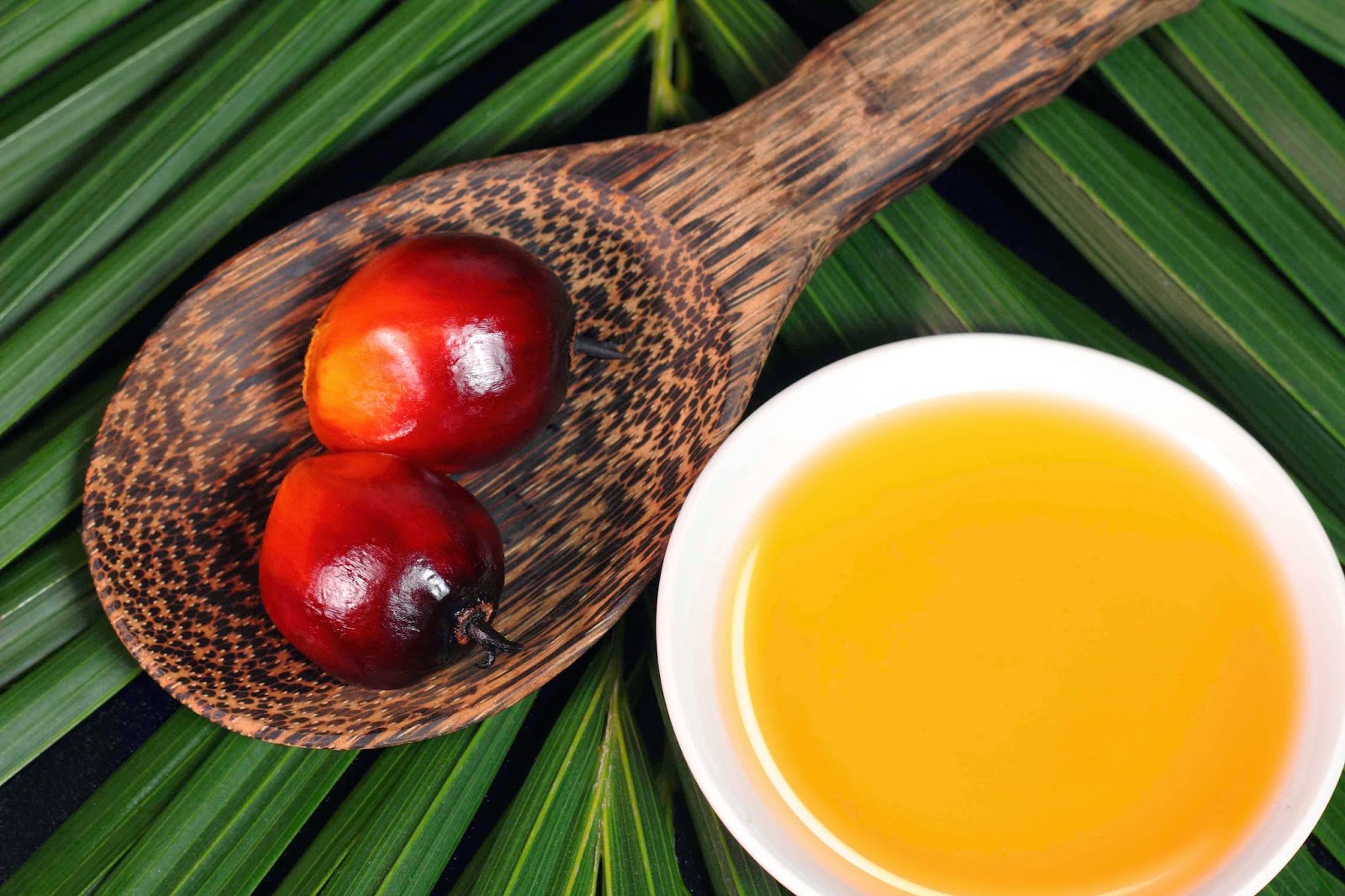
Palm Oil

Palm oil is derived from the fruit of oil palmsIt consists mostly of saturated and monounsaturated fats, with small amounts of polyunsaturates. 

This makes palm oil a good choice for cooking.

Red Palm Oil (the unrefined variety) is best. It is also rich in Vitamins E, Coenzyme Q10 and other nutrients. However, some concerns have been raised about the sustainability of harvesting palm oil, apparently growing these trees means less environment available for Orangutans, which are an endangered species.

Avocado Oil

The composition of avocado oil is similar to olive oil. It is primarily monounsaturated, with some saturated and polyunsaturated mixed in.

It can be used for many of the same purposes as olive oil. You can cook with it, or use it cold.

Fish Oil

Fish oil is very rich in the animal form of Omega-3 fatty acids, which are DHA and EPA. A tablespoon of fish oil can satisfy your daily need for these very important fatty acids. The best fish oil is cod fish liver oil, because it is also rich in Vitamin D3, which a large part of the world is deficient in.

However, due to its high concentration of polyunsaturated fats, fish oil should never be used for cooking. It’s best used as a supplement, one tablespoon per day. Keep in a cool, dry and dark place.

Flax Oil

Flax oil contains lots of the plant form of Omega-3, Alpha Linolenic Acid (ALA). Many people use this oil to supplement with Omega-3 fats. However, unless you’re vegan, then I do recommend that you use fish oil instead. Evidence shows that the human body doesn’t efficiently convert ALA to the active forms, EPA and DHA, of which fish oil has plenty.

Due to the large amount of polyunsaturated fats, flax seed oil should NOT be used for cooking.

Canola Oil

Canola oil is derived from rapeseeds, but the euric acid (a toxic, bitter substance) has been removed from it. The fatty acid breakdown of canola oil is actually fairly good, with most of the fatty acids monounsaturated, then containing Omega-6 and Omega-3 in a 2:1 ratio, which is perfect.

However, canola oil needs to go through very harsh processing methods before it is turned into the final product.

If you haven't seen how canola oil is made already, check this post out. It is very disgusting and involves the toxic solvent hexane (among others) – I personally don’t think these oils are suitable for human consumption.

Nut Oils and Peanut Oil

There are many nut oils available and some of them taste awesome. However, they are very rich in polyunsaturated fats, which make them a poor choice for cooking. They can be used as parts of recipes, but do not fry or do any high heat cooking with them.

The same applies to peanut oil. Peanuts technically aren’t nuts (they’re legumes) but the composition of the oil is similar. There is one exception, however, and that is macadamia nut oil, which is mostly monounsaturated (like olive oil). It is pricey, but I hear it tastes awesome.

If you want, you can use macadamia oil for low- or medium-heat cooking.

Seed and Vegetable Oils

Industrial seed and vegetable oils are highly processed, refined products that are way too rich in Omega-6 fatty acids. Not only should you not cook with them, you should probably avoid them altogether. These oils have been wrongly considered “heart-healthy” by the media and many nutrition professionals in the past few decades.

However, new data links these oils with many serious diseases, including heart disease and cancer.

Avoid all of them:
  • Soybean Oil
  • Corn Oil
  • Cottonseed Oil
  • Canola Oil
  • Rapeseed Oil
  • Sunflower Oil
  • Sesame Oil
  • Grapeseed Oil
  • Safflower Oil
  • Rice Bran Oil
One study also looked at common vegetable oils on food shelves in the U.S. market and discovered that they contain between 0.56 to 4.2% trans fats, which are highly toxic.

It’s important to read labels. If you find any of these oils on a packaged food that you are about to eat, then it’s best to purchase something else.

How to Take Care of Your Cooking Oils

To make sure that your fats and oils don’t go rancid, it is important to keep a few things in mind.

Don’t buy large batches at a time. Buy smaller ones, that way you will most likely use them before they get the chance to damage.

When it comes to unsaturated fats like olive, palm, avocado oil and some others, it is important to keep them in an environment where they are less likely to oxidize and go rancid.

The main drivers behind oxidative damage of cooking oils are heat, oxygen and light.

Therefore, keep them in a cool, dry, dark place and make sure to screw the lid on as soon as you’re done using them.



June 25, 2014

6 Health Benefits Of Drinking COFFEE

coffee

Do you smell it? Can you taste it? For some people, that unmistakable smell and delectable taste are the main reasons to pry themselves out of bed each morning. What is it? It’s the eye-opening and mouth-watering beverage that’s consumed by an estimated 100 million Americans on a daily basis and it comes from a simple bean – coffee. But, aside from the caffeinated beverage’s eye-opening abilities and addictive flavor, there are many other hidden benefits and we’ve compiled a list of arguably the six best reasons you should be consuming coffee.


Mental Note

Is there anything sadder than seeing an aging loved one drastically losing their mental sharpness? You may be powerless to prevent it, but, according to a recent study, coffee may be able to help you from falling into the same trap. Researchers discovered that participants who drank three to five cups of coffee per day had about a 65% decreased chance of developing Alzheimer’s disease or dementia later on in life. To ensure you’re always drinking enough coffee, make it a point of always consuming coffee with your meals.


Cardiovascular Protection

Anybody who’s serious about health knows the importance of a healthy cardiovascular system. What they may not know is that by simply drinking one or two cups of coffee per day they could have a significantly reduced risk of cardiovascular disease-related death. According to a Japanese study of more than 76,000 participants, men consuming one to two cups of coffee daily reduced their risk of dying from a cardiovascular disease by as much as 38%. Of course, this still doesn’t excuse you from cardio exercises.


Risk Aversion

Want to lower your risk of death? A National Institutes of Health – AARP Diet and Health study of more than 400,000 people revealed that drinking coffee might be the answer. Between 1995 and 2008, male participants drinking even just one daily cup reduced their risk of death by 6%. Drinking either two to three cups or six or more cups reduced the risk by 10% during the timeframe of the study. The greatest reduction of death risk was 12% in the group drinking four to five cups. Know your limit: five cups.


Diabetes Defense

An alarming 11.8% of American men over the age of 20 have diabetes. Needless to say, it’s a growing concern and one receiving a great deal of attention in the medical community. Between 1986 and 1998 Harvard researchers tracked the coffee consumption and occurrence of type-2 diabetes of more than 40,000 men. They discovered that long-term coffee drinkers had a significantly reduced risk of developing type-2 diabetes and statistics indicated the risk decreased the more they drank. Just remember to limit your sugar


Pain Reduction

Are you in pain during the course of a typical workday? It’s not that unusual. But, what is surprising is the degree to which many people feel rejuvenated following a coffee break and there may be a reason why. Norwegian researchers observed 48 people performing office work and found that those who consumed coffee only declared a pain-intensity level of 41, whereas participants who didn’t drink any coffee reported having a score of 55. If this study is any indication, you might want to take your coffee breaks literally.


Weight Loss

When you think of coffee, you usually think of the beverage. However, if your focus is weight loss, green coffee extract could be an effective aid. Following a 22-week study of 16 overweight adults, researchers discovered that participants given green coffee bean extract had undergone significant weight loss with 37.5% of them transitioning from being at a pre-obesity weight to a normal weight range. If you’re battling the bulge, consider complementing your workouts by looking at the green bean capsule aisle of your local health nutrition store.


June 24, 2014

6 Reasons To EAT Salmon


Salmon's reputation as a healthy food is largely based on its unusual omega-3 fatty acid content. It is normal for 4 ounces of salmon to contain at least 2 grams of omega-3 fats - more than the average U.S. adult gets from all food over the course of several days. This omega-3 fat comes in two forms: EPA (eicosapentaenoic acid) and DHA (docosahexaenoic acid). However, salmon is also rich in other properties, such as vitamin D and selenium, each of which have their own powerful health benefits.

Intriguing research into the protein and amino acid content of this fish has found that salmon also contains small bioactive protein molecules (called bioactive peptides) that may provide protection for joint cartilage, support with insulin effectiveness, and control of inflammation in the digestive tract. 

One thing to bear in mind, though, is that all of these benefits are derived from the consumption of wild salmon, and the farmed kind is an entirely different kettle of fish.

Here are 6 health benefits of salmon:


Inflammation

Research on fish intake and joint protection has shown that the omega-3 fatty acids found in salmon can be converted by the body into three types of compounds that prevent chronic inflammation. What's especially interesting is that it combines these anti-inflammatory benefits with anti-inflammatory relief related not to fat but to protein.

Recent studies show the presence of bioactive peptides in salmon may support healthy joint cartilage and other types of tissue. One bioactive peptide named calcitonin has been of special interest because it is also made in the human body by the thyroid gland, and we know that it helps regulate and stabilize the balance of collagen and minerals in bone and surrounding tissue. Such peptides may combine with salmon's omega-3 molecules to provide powerful anti-inflammatory benefits for joints. The incredibly high content of vitamin D and selenium found in salmon have also been shown to be key agents in preventing unwanted inflammation.

Cognitive Function

Much research has proven docosahexaenoic acid (DHA) to be the most important fat found in the brain, and the substantial content of this omega-3 fatty acid in salmon explains the benefits of salmon intake for thinking and the decreased risk of certain brain-related problems. Salmon intake is associated with decreased chances of depression, hostility in some studies of teenagers, and decreased cognitive decline in older people. Some studies have also demonstrated an association between IQ and a diet rich in omega-3 fatty acids.

Of particular interest is the recent discovery of what are called protectins. These are special compounds made from DHA which studies have shown play an important role as anti-inflammatory molecules, particularly when produced by nerve tissue. There has been speculation that some of the brain-related value of omega-3 fish intake may be due to conversion of the DHA in these fish to protectins that can aid in preventing excessive inflammation. Vitamin D has also been shown to be a major factor in supporting cognitive function, and salmon abounds in this nutrient.

Cancer Prevention

Vitamin D has been shown to play a crucial role in lowering the risk of several types of cancer, including breast, prostate, and colorectal cancer. Salmon contains particularly high levels of vitamin D and selenium, which is also associated with prevention of certain types of cancer, including colorectal cancer.

Omega-3 fat is also connected to decreased risk for several types of cancer, including colorectal cancer, prostate cancer, and breast cancer. Regular omega-3 intake has been proven particularly effective against the blood cell or lymph cell-related cancers such as leukemia, multiple myeloma, and non-Hodgkins lymphoma.

Eye Health

It is well known that fish oil is good for improving vision. It also helps in avoiding age related macular degeneration. The omega-3 fats found in salmon have been demonstrated to be effective in combating both macular degeneration and chronic dry eye. In the case of macular degeneration, two servings of salmon per week is enough to significantly decrease risk.

Studies on dry eye have begun to focus specifically on the neuroprotectins made from DHA in salmon and other omega-3 fish. These omega-3 derived molecules might aid in preventing chronic dry eye by alleviating inflammation.


Cardiovascular Health

Intake of salmon has been connected to a decreased risk of numerous cardiovascular problems, such as heart attack, stroke, heart arrhythmia and high blood pressure. Consumption of omega-3-containing salmon is also linked with improved metabolic markers for cardiovascular disease. 

The high levels of the antioxidant selenium in salmon have also been shown to be especially important in cardiovascular protection.


Skin and Hair Health

The omega-3s found in salmon lock moisture into skin cells, encouraging the production of strong collagen and elastin fibers, which contribute to more youthful looking skin. Omega-3s have also been known to alleviate skin blemishes and maintain a good luster of the hair.

Omega-3s provide nourishment to hair follicles, helping hair grow healthy and preventing hair loss. A rich supply of proteins is also important for hair growth. The high protein content of salmon helps maintain strong, healthy hair.

June 23, 2014

6 Health Benefits Of Drinking Milk


Milk is an important part of our diet. We begin drinking it when we are young, but our intake decreases as we get older. Some people shy away from it because they fear that it will add too much fat to their diet. Others leave it out because they believe that they no longer need it. You are never too old to reap the rewards of drinking milk. 

It is a great source of vitamins and nutrients, and it has several health benefits, such as...

1. Glowing Skin

Cleopatra took milk baths to help her skin stay soft, supple and glowing. You can do the same, or you can drink a few glasses of whole milk each day to get its benefits. Milk has several nutrients which help skin look its best. It has lactic acid which can act as an exfoliant and enzymes to help smooth skin. It also has amino acids that help keep skin moisturized. Milk can help prevent damage from environmental toxins because it has antioxidants. However, if you have a sensitivity to milk or dairy products, milk can actually aggravate your skin.

2. Healthy Bones and Teeth

Milk is a great source of calcium, which is essential for healthy bones. Not only do young children need it while their bones are growing, but adults need it to keep their bones strong and to prevent osteoporosis. Milk is also great for strong teeth, and it helps prevent tooth decay and cavities. In order for the calcium to be absorbed by the body, vitamin D must be present. If you have a vitamin D deficiency, buy milk that is fortified with extra vitamin D to ensure that your body absorbs the calcium.

3. Muscles

Milk contains protein, which helps to rebuild muscles. Drink a glass of milk after you exercise to give your body what it needs to recover. It will help to keep soreness at bay while replenishing fluids that you lost during your workout.

4. Weight Loss

Studies show that women who drink low-fat or skim milk lose more weight than those who exclude milk from their diet. It is a great appetizer and it makes a healthy snack. Add a glass to your dinner, or drink a glass while eating a piece of fruit.

5. Less Stress

Milk is a great way to de-stress at the end of the day. A glass of warm milk will help to relax tense muscles and soothe frayed nerves. Milk has also been proven to reduce symptoms of PMS and boost energy. The next time you are feeling frazzled, try drinking a glass of milk while you soak in a bubble bath.

6. Healthy Body

Milk has properties that lower high blood pressure and risk of strokes. It reduces the liver’s production of cholesterol, and it can act as an antacid. Vitamins A and B in milk can help build good eyesight. Milk has also been show to help lower risk of certain cancers.

There are several varieties of milk on the market, such as whole, 2%, low-fat and fat free. If you are concerned about the growth hormones used in milk, choose to go the organic route.  With all of the types of milk available, you should be able to find something that fits your diet and nutritional needs.

Despite the health benefits of drinking milk, you should also be wary about the milk that you buy — the vitamins and minerals that are found in milk. You should always go for organic products(though they are more expensive, but in the long run, its worth it).

Here's a list you can refer to:

  • Calcium: Keeps bones and teeth healthy; helps your body maintain bone mass.
  • Protein: A good source of energy: builds and repairs your muscle tissue; good after work-outs.
  • Potassium: Helps you keep a good blood pressure.
  • Phosphorus: Helps strengthen your bones and gives you energy.
  • Vitamin D: Helps your body maintain your bones.
  • Vitamin B12: Helps maintain healthy red blood cells and helps maintain nerve tissue.
  • Vitamin A: Helps maintain the immune system; helps maintain normal vision and good skin.
  • Niacin: Improves your metabolism; have a glass before doing aerobics.


  • June 22, 2014

    9 Health Benefits Of Eating Sweet Potatoes

    Not only are sweet potatoes readily available, inexpensive, and delicious, there are many other reasons to love these yummy vegetables. 

    Here are 9 reasons why you should start eating these sweet potatoes:

    1. They are high in vitamin B6.  Vitamin B6 helps reduce the chemical homocysteine in our bodies.  Homocysteine has been linked with degenerative diseases, including the prevention of heart attacks.
    2. They are a good source of vitamin C.  While most people know that vitamin C is important to help ward off cold and flu viruses, few people are aware that this crucial vitamin plays an important role in bone and tooth formation, digestion, and blood cell formation. It helps accelerate wound healing, produces collagen which helps maintain skin’s youthful elasticity, and is essen­tial to helping us cope with stress. It even appears to help protect our body against toxins that may be linked to cancer.
    3. They contain Vitamin D which is critical for immune system and overall health at this time of year. Both a vitamin and a hormone, vitamin D is primarily made in our bodies as a result of getting adequate sunlight. You may have heard about seasonal affective disorder (or SAD, as it is also called), which is linked to inadequate sunlight and therefore a vitamin D deficiency. Vitamin D plays an important role in our energy levels, moods, and helps to build healthy bones, heart, nerves, skin, and teeth, and it supports the thyroid gland.
    4. Sweet potatoes contain iron. Most people are aware that we need the mineral iron to have adequate energy, but iron plays other important roles in our body, including red and white blood cell production, resistance to stress, proper im­mune functioning, and the metabolizing of protein, among other things.
    5. Sweet potatoes are a good source of mag­nesium, which is the relaxation and anti-stress mineral. Magnesium is necessary for healthy artery, blood, bone, heart, muscle, and nerve function, yet experts estimate that approximately 80 percent of the popula­tion in North America may be deficient in this important mineral.
    6. They are a source of potassium, one of the important electrolytes that help regulate heartbeat and nerve signals. Like the other electrolytes, potassium performs many essential functions, some of which include relaxing muscle contractions, reducing swelling, and protecting and controlling the activity of the kidneys.
    7. Sweet potatoes are naturally sweet-tasting but their natural sugars are slowly released into the bloodstream, helping to ensure a balanced and regular source of energy, without the blood sugar spikes linked to fatigue and weight gain.
    8. Their rich orange colour indicates that they are high in carotenoids like beta carotene and other carotenoids, which is the precursor to vitamin A in your body.  Carotenoids help strengthen our eyesight and boost our immunity to disease, they are powerful antioxidants that help ward off cancer and protect against the effects of aging. Studies at Harvard University of more than 124,000 people showed a 32 percent reduction in risk of lung cancer in people who consumed a variety of carotenoid-rich foods as part of their regular diet. Another study of women who had completed treatment for early stage breast cancer conducted by researchers at Women’s Healthy Eating and Living (WHEL) found that women with the highest blood concentrations of carotenoids had the least likelihood of cancer recurrence.
    9. They are versatile. Try them roasted, puréed, steamed, baked, or grilled. You can add them to soups and stews, or grill and place on top of leafy greens for a delicious salad. I enjoy grilling them with onions and red peppers for amazing sandwich or wrap ingredients.  Puree them and add to smoothies and baked goods.


    June 21, 2014

    13 Reasons Why You Should Drink TEA

    Put down those saucer cups and get chugging — tea is officially awesome for your health. But before loading up on Red Zinger, make sure that your “tea” is actually tea. Real tea is derived from a particular plant (Camellia sinensis) and includes only four varieties: green, black, white, and oolong. Anything else (like herbal “tea”) is an infusion of a different plant and isn’t technically tea.

    But what real tea lacks in variety, it makes up for with some serious health benefits. Researchers attribute tea’s health properties to polyphenols (a type of antioxidant) and phytochemicals. Though most studies have focused on the better-known green and black teas, white and oolong also bring benefits to the table. 

    Read on to find out why coffee’s little cousin rocks your health.
    1. Tea can boost exercise endurance. Scientists have found that the catechins (antioxidants) in green tea extract increase the body’s ability to burn fat as fuel, which accounts for improved muscle endurance.
    2. Drinking tea could help reduce the risk of heart attack. Tea might also help protect against cardiovascular and degenerative diseases.
    3. The antioxidants in tea might help protect against a boatload of cancers, including breast, colon, colorectal, skin, lung, esophagus, stomach, small intestine, pancreas, liver, ovarian, prostate and oral cancers. But don’t rely solely on tea to keep a healthy body — tea is not a miracle cure, after all. While more studies than not suggest that tea has cancer-fighting benefits, the current research is mixed.
    4. Tea helps fight free radicals. Tea is high in oxygen radical absorbance capacity (“ORAC” to its friends), which is a fancy way of saying that it helps destroy free radicals (which can damage DNA) in the body. While our bodies are designed to fight free radicals on their own, they’re not 100 percent effective — and since damage from these radical oxygen ninjas has been linked to cancer, heart disease and neurological degeneration, we’ll take all the help we can get.
    5. Tea is hydrating to the body (even despite the caffeine).
    6. Drinking tea is linked with a lower risk of Parkinson’s disease. When considered with other factors like smoking, physical activity, age and body mass index, regular tea drinking was associated with a lowered risk of Parkinson’s disease in both men and women.
    7. Tea might provide protection from ultraviolet rays. We know it’s important to limit exposure to UV rays, and we all know what it’s like to feel the burn. The good news is that green tea may act as a back-up sunscreen.
    8. Tea could keep waist circumference in check. In one study, participants who regularly consumed hot tea had lower waist circumference and lower BMI than non-consuming participants. Scientists speculate that regular tea drinking lowers the risk of metabolic syndrome (which increases the risk of diabetes, artery disease and stroke), although it’s important to remember that correlation does not equal causation.
    9. Regular tea drinking might also counteract some of the negative effects of smoking and might even lessen the risk of lung cancer (good news, obviously, but not a justification for cigs).
    10. Tea could be beneficial to people with Type 2 diabetes. Studies suggest that compounds in green tea could help diabetics better process sugars.
    11. Tea can help the body recover from radiation. One study found that tea helped protect against cellular degeneration upon exposure to radiation, while another found that tea can help skin bounce back postexposure.
    12. Green tea has been found to improve bone mineral density and strength.
    13. Tea might be an effective agent in the prevention and treatment of neurological diseases, especially degenerative diseases (think Alzheimer’s). While many factors influence brain health, polyphenols in green tea may help maintain the parts of the brain that regulate learning and memory.
    Though most research on tea is highly positive, it’s not all definitive — so keep these caveats in mind before stocking up on gallons of the stuff:
    1. Keep it cool. Repeatedly drinking hot beverages may boost the risk of esophageal cancer. Give tea several minutes to cool off before sipping.
    2. The studies seem convincing, but a rat does not a human make. Chemicals in tea may react differently in the lab than they do in the human body. Tannins (and the other good stuff in green tea) may not be bioavailable for humans, meaning tea might not always benefit human health to the same degree as in lab studies suggest.
    3. All tea drinks are not created equal. The body’s access to the good stuff in tea might be determined by the tea variety, canning and processing, and the way it was brewed.

    The takeaway: at the very least, tea should be safe to consume — just not in excessive amounts. So brew up a batch of the good stuff — hot or cold — and enjoy.