June 22, 2014

10 Reasons Why You Should Eat Broccoli

spicy broccoli

Some people love broccoli and some people hate it, but there's no denying that broccoli is a nutritional wonder.

Here are 10 reasons why broccoli should be an essential part of your diet:

Nervous System

Broccoli contains a high amount of potassium, which helps maintain a healthy nervous system and optimal brain function, as well as promotes regular muscle growth.

Blood Pressure

Along with a high amount of potassium, Broccoli also contains magnesium and calcium that help regulate blood pressure.

Vitamin C

One cup of broccoli contains the RDA of vitamin C, an antioxidant necessary for fighting against free radicals. Moreover, vitamin C is an effective antihistamine for easing the discomfort of the common cold.

Bone Health

Broccoli contains high levels of both calcium and vitamin K, both of which are important for bone health and prevention of osteoporosis.

Sun Damage

Broccoli is helpful in repairing skin damage thanks to the glucoraphanin it contains which helps the skin to detoxify and repair itself.

Immune System

One cup of broccoli bolsters the immune system with a large dose of beta-carotene. Trace minerals, such as zinc and selenium, further act to strengthen immune defense actions.

Cancer Prevention

Broccoli contains glucoraphanin, which with the body processes into the anti-cancer compound sulforaphane. This compound rids the body H. pylori, a bacterium found to highly increase the risk of gastric cancer. Furthermore, broccoli contains indole-3-carbinol, a powerful antioxidant compound and anti-carcinogen found to not only hinder the growth of breast, cervical and prostate cancer, but also boosts liver function.

Diet Aid Broccoli is high in fiber, which aids in digestion, prevents constipation, maintains low blood sugar, and curbs overeating. Furthermore, a cup of broccoli has as much protein as a cup of rice or corn with half the calories.

Eye Health

Studies have shown that the carotenoid lutein helps prevent age-related macular degeneration and cataracts, as well as possesses anti-cancer effects. Additionally, broccoli is a good source of vitamin A that is needed to form retinal, the light-absorbing molecule that is essential for both low-light and color vision.

Heart Health

The carotenoid lutein may also slow down or prevent the thickening of arteries in the human body, thus fighting against heart disease and stoke. The B6 and folate in broccoli also reduce the risk of atherosclerosis, heart attack, and stroke.


June 21, 2014

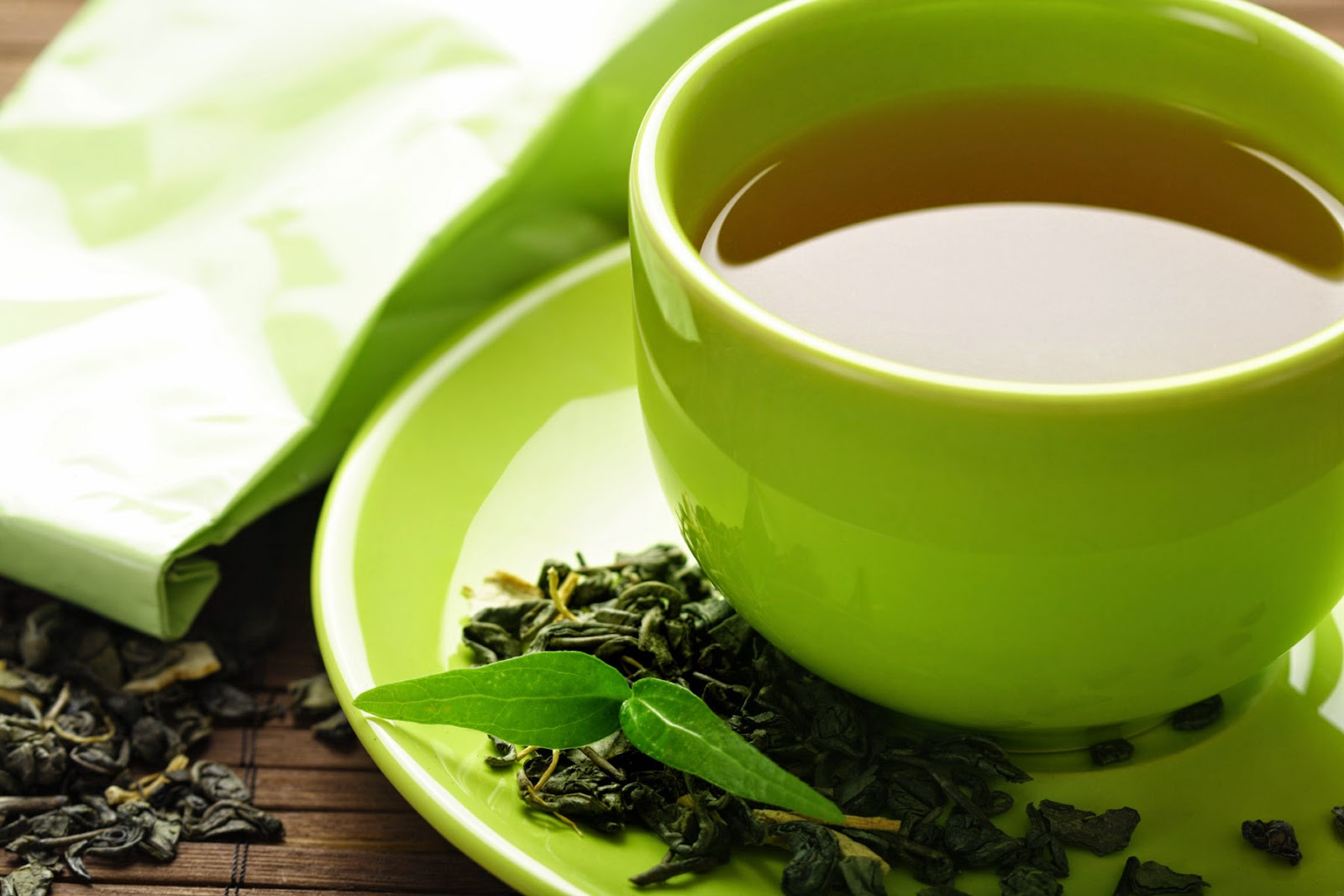
13 Reasons Why You Should Drink TEA

Put down those saucer cups and get chugging — tea is officially awesome for your health. But before loading up on Red Zinger, make sure that your “tea” is actually tea. Real tea is derived from a particular plant (Camellia sinensis) and includes only four varieties: green, black, white, and oolong. Anything else (like herbal “tea”) is an infusion of a different plant and isn’t technically tea.

But what real tea lacks in variety, it makes up for with some serious health benefits. Researchers attribute tea’s health properties to polyphenols (a type of antioxidant) and phytochemicals. Though most studies have focused on the better-known green and black teas, white and oolong also bring benefits to the table. 

Read on to find out why coffee’s little cousin rocks your health.
  1. Tea can boost exercise endurance. Scientists have found that the catechins (antioxidants) in green tea extract increase the body’s ability to burn fat as fuel, which accounts for improved muscle endurance.
  2. Drinking tea could help reduce the risk of heart attack. Tea might also help protect against cardiovascular and degenerative diseases.
  3. The antioxidants in tea might help protect against a boatload of cancers, including breast, colon, colorectal, skin, lung, esophagus, stomach, small intestine, pancreas, liver, ovarian, prostate and oral cancers. But don’t rely solely on tea to keep a healthy body — tea is not a miracle cure, after all. While more studies than not suggest that tea has cancer-fighting benefits, the current research is mixed.
  4. Tea helps fight free radicals. Tea is high in oxygen radical absorbance capacity (“ORAC” to its friends), which is a fancy way of saying that it helps destroy free radicals (which can damage DNA) in the body. While our bodies are designed to fight free radicals on their own, they’re not 100 percent effective — and since damage from these radical oxygen ninjas has been linked to cancer, heart disease and neurological degeneration, we’ll take all the help we can get.
  5. Tea is hydrating to the body (even despite the caffeine).
  6. Drinking tea is linked with a lower risk of Parkinson’s disease. When considered with other factors like smoking, physical activity, age and body mass index, regular tea drinking was associated with a lowered risk of Parkinson’s disease in both men and women.
  7. Tea might provide protection from ultraviolet rays. We know it’s important to limit exposure to UV rays, and we all know what it’s like to feel the burn. The good news is that green tea may act as a back-up sunscreen.
  8. Tea could keep waist circumference in check. In one study, participants who regularly consumed hot tea had lower waist circumference and lower BMI than non-consuming participants. Scientists speculate that regular tea drinking lowers the risk of metabolic syndrome (which increases the risk of diabetes, artery disease and stroke), although it’s important to remember that correlation does not equal causation.
  9. Regular tea drinking might also counteract some of the negative effects of smoking and might even lessen the risk of lung cancer (good news, obviously, but not a justification for cigs).
  10. Tea could be beneficial to people with Type 2 diabetes. Studies suggest that compounds in green tea could help diabetics better process sugars.
  11. Tea can help the body recover from radiation. One study found that tea helped protect against cellular degeneration upon exposure to radiation, while another found that tea can help skin bounce back postexposure.
  12. Green tea has been found to improve bone mineral density and strength.
  13. Tea might be an effective agent in the prevention and treatment of neurological diseases, especially degenerative diseases (think Alzheimer’s). While many factors influence brain health, polyphenols in green tea may help maintain the parts of the brain that regulate learning and memory.
Though most research on tea is highly positive, it’s not all definitive — so keep these caveats in mind before stocking up on gallons of the stuff:
  1. Keep it cool. Repeatedly drinking hot beverages may boost the risk of esophageal cancer. Give tea several minutes to cool off before sipping.
  2. The studies seem convincing, but a rat does not a human make. Chemicals in tea may react differently in the lab than they do in the human body. Tannins (and the other good stuff in green tea) may not be bioavailable for humans, meaning tea might not always benefit human health to the same degree as in lab studies suggest.
  3. All tea drinks are not created equal. The body’s access to the good stuff in tea might be determined by the tea variety, canning and processing, and the way it was brewed.

The takeaway: at the very least, tea should be safe to consume — just not in excessive amounts. So brew up a batch of the good stuff — hot or cold — and enjoy.

10 Top Cancer Prevention FOODS - You NEED To Know!

Cancer prevention diet and treatment. About 35 percent of cancers are related to nutritional factors. To help prevent cancer, eat a wide variety of foods rich in nutrients that protect your body's cells from damage, such as these.

grapefruit

Grapefruit

Vitamin C — an antioxidant found in many fruits and vegetables such as grapefruit, oranges, bell peppers, and broccoli — helps to prevent the formation of cancer-causing nitrogen compounds. Diets high in vitamin C have been linked to a reduced risk of cancers of the stomach, colon, esophagus, bladder, breast, and cervix. These results are specific to vitamin C-rich foods, rather than supplements, which seem less reliable. So be sure to pile fruits and veggies on your plate – they're excellent for your body in so many ways!


peanut and peanut butter

Peanuts and peanut butter

Some research shows that eating a vitamin E–rich diet reduces the risk of stomach, colon, lung, liver, and other cancers, but, as with other antioxidants, vitamin E supplements have largely struck out. I recommend adding vitamin E–rich foods like peanuts, peanut butter, almonds, almond butter, and sunflower seeds to your diet; they'll help keep your cells' defenses strong. Spread a tablespoon of peanut butter or almond butter on a slice of whole grain toast for a filling snack packed with cancer-fighting vitamin E.


berries

Berries

Of all the fruits and vegetables studied, berries rank among the most likely to reduce cancer risk. Every year, we learn more and more about the benefits of these nutrition powerhouse fruits. Raspberries, blueberries, and cranberries in particular have shown very promising potential to help prevent cancer. An antioxidant called pterostilbene, found in high quantities in blueberries, has cancer-fighting properties and cranberries contain a whole drugstore's worth of cancer-fighting natural chemicals. Laboratory animals fed black raspberries had a 60 percent reduction in tumors of the esophagus and an 80 percent reduction in colon tumors. Next time you want a sweet treat, skip the cookies and feast on juicy, delicious berries that can boost your health.


sweet potato


Sweet potatoes

Beta-carotene is a powerful antioxidant. Studies have shown that people who eat a diet high in beta-carotene — found primarily in orange vegetables and leafy greens — have a reduced risk of cancer, particularly of the lung, colon, and stomach. Among pre-menopausal women, one study found that eating a lot of vegetables that include beta-carotene, folate, vitamin C, and fiber – like sweet potatoes — reduced the risk of breast cancer by about half.


Wild salmon

Low vitamin D levels have been linked to several cancers, including colon and breast. Scientists theorize that vitamin D may help block the development of blood vessels that feed growing tumors and help stop the proliferation of cancerous and precancerous cells. To cover your bases, I recommend eating plenty of vitamin D–rich foods, such as wild salmon, and choosing vitamin D–fortified dairy products, like milk and yogurt. Because so few foods provide vitamin D, you should consider a daily multivitamin or separate supplement that provides 800 to 1,000 IUs of vitamin D3 (cholecalciferol, the most potent form).


ground flaxseed

Ground flaxseed

Omega-3 fatty acids may help prevent cancer by inhibiting cancer cell proliferation and disrupting steps that are critical to tumor growth. Omega-3 fatty acids also help reduce inflammation, which means they could theoretically reduce the possibility of cellular mutations. But even if omega-3s don't directly reduce the risk of cancer, they certainly help keep our bodies strong and healthy. For all of these reasons, I highly recommend adding omega-3–rich foods to your diet. In addition to fatty fish and shellfish, mixing ground flaxseed into yogurt and smoothies is an excellent way to include more omega-3s in your diet.


tea

Tea

Tea contains compounds called catechins, compounds that scientists theorize may help stop the growth of cancer cells and prevent cellular mutations that contribute to cancer development. In Japan, where tea is the preferred beverage, green tea consumption has been linked to reduced risk of stomach cancer among women. In China, green tea drinkers were found to have a lower risk of developing rectal and pancreatic cancers compared with non-tea drinkers. Regular tea drinkers have also been shown to be at reduced risk for colon, breast, ovarian, prostate, and lung cancers. All types of tea — green, black, white, oolong — seem to have value as cancer preventive agents, so regularly drink tea and enjoy a variety of flavors to reap all the benefits!


broccoli

Cruciferous vegetables

All plant foods — grains, fruits, and vegetables — contain small amounts of phytonutrients: naturally occurring chemical compounds that are just as important as vitamins and minerals are for maintaining health. There are thousands of known phytonutrients, many of which have demonstrated the potential to protect us against cancer. Cruciferous vegetables like broccoli,cauliflower, and cabbage contain phytonutrients known as glucosinolates, which may help inhibit the metabolism of some carcinogens and stimulate the body's production of detoxification enzymes.


turmeric spice

Turmeric


Turmeric is the yellow-colored spice found in curry powder. Curcumin, the active ingredient in turmeric, functions as both an anti-inflammatory and an antioxidant, and it may help prevent cancer by interfering with aspects of cellular signaling. In laboratory animals, curcumin has been shown to help prevent cancer of the breast, colon, stomach, liver, and lung. Using curry powder to spice up chicken and egg dishes is an easy way to incorporate it into your diet — and it has the added bonus of adding flavor to your meals, without any calories!


pomegranates

Pomegranates

Pomegranates are chock full of ellagic acid — the latest phytonutrient to enter the scene (although it's been quietly hanging out in berries, nuts, and pomegranates for millennia). In laboratory and animal studies, ellagic acid has been shown to inhibit cancer cell growth and deactivate cancer-causing compounds. To take advantage of these health properties, incorporate pomegranate seeds into smoothies or use them to top off a bowl of yogurt or cereal. Other foods rich in ellagic acid include raspberries, blackberries, strawberries, walnuts, pecans, cranberries, and grapes (red, black, purple). 

Food is nature's best medicine, you are what you eat


The food you eat can help you naturally treat and cure life-threatening diseases and improve your health. Order your copy of Nick Pineault's completely revised and updated The Truth About Fat Burning Foods ebook, and learn how to avoid foods that are not healthy for you, as well as learn how to eat smartly and lose weight at the same time! 


June 20, 2014

12 Reasons To Drink Beer

A cold lager is refreshing on a summer afternoon, while a hearty porter or stout will warm you up faster than cuddling by a fire on winter’s coldest nights. But beer, a crowd pleaser for all tastes and all seasons, also brings unexpected benefits.

While there are many health benefits of beer, who among us hasn’t rounded down when doctors or nutritionists ask how much we imbibe? The health-conscious avoid the malty beverage due to the high calorie content. Calorie counts range from approximately 100 calories in light beers, while an Olde English High Gravity malt-style beer weighs in at 220 calories per serving. A couple of those a day will quickly lead to a beer belly, but don’t take a vow of sobriety just yet! 

Here are 12 reasons to raise a glass or bottle to your good health:

1. Portion control

Beer is conveniently packaged in a portion-control bottle. It’s easy to limit it to one—or at least keep track of how many you’ve had.

2. It’s rich in B vitamins

Beer is full of B vitamins from the yeast. Unfiltered beer is especially high in B3, B6 and folic acid (B9). B3 aids in cell repair and B6 eases PMS. Folic acid aids in colon cancer prevention.

3. It’s high in fiber

Beer contains fiber, which acts as a natural laxative. It also slows the rate at which food leaves your stomach, which means it suppresses appetite. So indulge in a beer, and know you’re preventing overeating.

4. Stress reduction

A beer a day keeps stress and heart attacks away. Moderate alcohol consumption can reduce stress and anxiety, known contributors of heart disease. According to the Mayo Clinic, alcohol reduces risk of dying of a heart attack and possibly reduces risk of strokes. “Moderate” is defined as up to 12 ounces per day for women and 24 ounces per day for men. Drink to that.

5. Beer drinkers are at lower risk of type-2 diabetes

Multiple studies have shown that beer drinkers had an approximately 30 percent lower risk of type-2 diabetes than test subjects who abstained.

6. Beer drinkers have a lower risk of developing gallstones

Beer drinking is associated with a reduced risk for gallstones, according to the Mayo Clinic. Gallstones are made up of cholesterol, bile and other things that cause pain in the stomach. No one wants to deal with that.

7. It has anti-microbial properties

Hops, the bitter flowers used in brewing, are known to be antimicrobial, which could fight disease.

8. It’s good for your muscles

Muscles benefit from a substance in hops that keeps muscle from deteriorating.

9. It’s high in silicon

Two brewskis a day could help prevent Alzheimer’s disease, according to a 2007 study at the University of Alcala in Spain. The research suggests a high intake of silicon limits aluminum absorption in the brain, which in turn could aid in the prevention of Alzheimer’s.

10. Moderate beer consumption is good for bone density

Beer could keep bones strong. Researchers at Tufts University found a positive link between beer or wine consumption and hip-bone density. Heavy drinking, however, led to bone loss, according to the same study, so be conservative.

11. It can reduce the risk of heart disease

Red wine is often touted as the healthiest alcohol choice, but a Kaiser Permanente study says not so fast. Incidences of heart disease for beer drinkers were lower than for wine or whiskey drinkers.

12. It’s a social lubricant

A brew also has social benefits. A beer can loosen you up a bit for a first date, a family gathering or a networking event. Alcohol can boost courage and chattiness, according to a University of Washington study. However, some people continue to drink because of the perceived expectation that if one is good, a lot is even better. We all know more beer doesn’t make us more charming and attractive. Everyone knows how that story ends.

So, take that teetotalers! Ales and lagers are actually good for you (in moderation of course). Cheers!

7 Reasons To Drink More Water

glass of water
Everyone knows that we all should drink water, you see it everywhere, in school, your parents, everyone tells you to drink water. But do you know why you should be drinking water? Ever thought about it?

The presence of water is the most important factor that helps sustain life on Earth. More than 65% of the human body weight is water, and drinking more water has innumerable health benefits. Let me brief you about the findings of the National Cancer Institute’s Food Attitudes and Behaviors Survey conducted on more than 3000 individuals: an alarming 78% of the people surveyed admitted to drinking less than 8 cups of water per day. The study confirmed the high prevalence of poor water drinking habits, especially among the old. Furthermore, poor water intake was associated with several unhealthy habits and attitudes.

Here are 7 awesome benefits of drinking more water:

1. Improves your mental abilities

Drinking more water and keeping the body well hydrated have shown to help people to improve their cognitive abilities and mental functioning. On the other hand, dehydration reduces the brain’s capacity for short term memory.

2. Improves physical performance

There is a huge amount of evidence to suggest that dehydration and poor water intake are associated with decreased muscle performance and athletic abilities. Good water intake helps increase the physical performance by helping the heart pump better, as it keeps the blood more fluid and increases oxygen transport to the muscles. Furthermore, good water intake also helps to keep the body cool, and the muscles and joints work more efficiently. Not only can athletes use this to their benefit—drinking more water also keeps you energetic and feel less fatigued throughout your stressful day at work.

3. Helps expel toxins

Drinking an adequate amount of water helps to remove water soluble toxins from the body by sweat and through the kidneys. Water flushes your system and cleanses the body clean of certain toxic waste products that tend to build up in tissues and organs.

4. Helps lose weight

You read that correctly! Drinking more water can help you lose those extra pounds. Some studies have shown that people who increased their water intake while dieting lost more weight that those who kept to minimum levels. Drinking more water helps to delay the feeling of hunger, so the next time you feel hungry and find yourself reaching for junk food, drink water instead. As water fills the stomach, it tends to allay the sense of hunger, so the net calorie consumption is decreased. Furthermore, water also increases the body’s metabolism. And of course, drinking water instead of cola when you feel thirsty is definitely going to cut those extra unhealthy calories.

5. Reduces the risk of heart attacks and stroke

Drinking more water helps to keep the blood more fluid. This helps prevent clot formation in blood vessels which supply the heart and the brain that could jeopardize the oxygen supply to these vital areas, result in fatality. Adequate water intake also helps keep blood pressure in check by excreting excess salt out of the body. High salt retention in the body is one of the primary culprits that lead to high blood pressure. By keeping blood pressure in check, most of the complications of high blood pressure can be averted.

6. Improves bowel function

Constipation is common in people who consume less than the adequate amount of water required. Doctors advise their patients to increase their water consumption as a first step in preventing constipation.

7. Decreases cancer risk

Drinking more water reduces the risk of certain cancers like the cancer of the colon and bladder. It’s also been found to reduce the risk of breast cancers.
Though strong evidence for these benefits are being sought, there’s no harm in drinking more water as long you don’t overdo it.

Bonus tips:

  1. Do not drink more that 3 – 3.5  litres of water, as doing so can result in harm by diluting the body’s electrolytes.
  2. You can find some apps that can help keep in check with you daily water consumption.
  3. A simple guide is to drink enough water to produce a colorless urine.
  4. Always carry a water bottle with you.

June 19, 2014

Canola Oil Facts You NEED To Know


Fats in the diet are extremely important. Without the right ones, our bodies can not function properly. However… there is a lot of confusion out there about the health effects of different fats and oils. One cooking fat that is heavily marketed as a healthy choice is canola oil. It is low in saturated fat and high in unsaturated fats, including Omega-3 fatty acids.

The manufacturers call it the “world’s healthiest cooking oil” – although some experts disagree.

This article takes an in-depth look at canola oil and how it can affect your health.

What is Canola Oil?

Back in the day, an oil called rapeseed oil was often used for industrial purposes.

It was cheap to produce, but people couldn’t eat it because it contained some unfavorable substances:
A bunch of Canadian scientists wanted to turn rapeseed oil into an edible oil, so they used selective breeding techniques to “create” seeds that contained less of these harmful, bitter substances.

This is how canola was born… but “Canola” is a marketing term. It stands for Canadian Oil (some believe it stands for Canada Oil, Low Acid). Canola is actually not a unique plant. It’s just a name for rapeseeds that have been bred to be low in these undesirable compounds.

Since the year 1995, biotech giant Monsanto has manufactured rapeseeds that are genetically engineered to be resistant to the herbicide RoundUp. Today, about 90% of the world’s canola crop is genetically modified.

Bottom Line: Canola oil is extracted from rapeseeds that have been bred to contain less of some unfavorable substances. Most of the world’s canola crop is genetically modified.

How Canola oil is made

If a picture speaks a thousand words, a video speaks a million. This short video shows how canola oil is made. I recommend you watch it:


I don’t know about you… but this certainly doesn’t look “natural” to me. It’s certainly nothing like the simple processes used to make other popular fats/oils, like butter, olive oil or coconut oil.

The mere fact that it is exposed to high heat should turn you away from this oil. It is high in polyunsaturated fats, which are very sensitive to high heat and easily become oxidized (rancid). A toxic solvent called hexane is used to extract the oil from the seeds. Trace amounts of hexane have sometimes been found in cooking oils.

During this highly unnatural manufacturing process, some of the oil becomes damaged. You just can’t tell because the oil is also deodorized, which removes the smell. One study analyzed canola and soybean oils found on store shelves in the U.S. They found that 0.56% to 4.2% of the fatty acids in them were toxic trans fats.

This is not listed on the label, unfortunately.

Artificial trans fats are incredibly harmful and associated with many serious diseases, especially heart disease… the biggest killer in the world. However, keep in mind that cold-pressed and organic canola oil has not gone through the same process and won’t contain so many oxidized fats or trans fats. Unfortunately, the great majority of rapeseed/canola oils are made with the industrial processing method.

Bottom Line: Canola oil is made with a highly unnatural processing method that involves high heat, deodorization and the toxic solvent hexane. Significant amounts of trans fats are formed during this process.

Nutrient Composition of Canola Oil

Like most highly refined oils, canola oil is low in essential nutrients. However, it does contain a little bit of the fat soluble vitamins E and K.

A typical fatty acid composition of canola oil is:

  • Saturated: 7%.
  • Monounsaturated: 63%.
  • Polyunsaturated: 28% (with Omega-6 and Omega-3 in a 2:1 ratio)
Keep in mind that the exact figures and ratios can vary between different batches. According to conventional wisdom, saturated fat is bad and unsaturated fats are good, so according to that, the fatty acid composition is pretty much perfect.

However… there are a few things that need to be mentioned here.

Although saturated fat has been considered harmful in the past, several recent studies have shown that it really has nothing to do with heart disease. Therefore, the low saturated fat content of canola oil is completely irrelevant, although it does allow for some excellent marketing slogans.

Canola oil is also high in monounsaturated fats, which are healthy. These are the fats found in large amounts in olive oil. Now to the polyunsaturated fats… which is where the story gets interesting. It is true that canola oil contains a balanced ratio of Omega-6 and Omega-3 fats. However, keep in mind that although we need some amount of polyunsaturated fats, we absolutely do not need a lot.

Eating a lot of canola oil would raise your intake of polyunsaturated fats to unnatural levels, much higher than we were exposed to throughout evolution. These fatty acids do get incorporated into cell membranes and are prone to oxidation, which can cause free radical chain reactions and damage important molecules like proteins and DNA.

Also, the Omega-3s in canola oil are ALA (Alpha Linolenic Acid). ALA is the plant form of Omega-3s, which is useless until it is converted into the animal forms – EPA and DHA. Several studies suggest that humans are inefficient at converting ALA to EPA and DHA, so the high Omega-3 content of canola oil may not even be worth bragging about.

Also keep in mind that during the nasty manufacturing process, much of these “heart healthy” polyunsaturated fats have already gone rancid and a large portion turned into trans fats.

Really… if you want a good source of Omega-3s, then eat some fatty fish once or twice a week, or supplement with fish oil.


Bottom Line: Although canola is high in polyunsaturated fats, a large part of them have already gone rancid or turned into trans fats. It is low in saturated fat, which doesn’t really matter because saturated fat is harmless.

Canola oil lowers cholesterol, but does it matter?

We have several controlled trials where researchers feed people with canola oil, then observe what happens to blood markers like cholesterol. In these studies, canola oil lowers total cholesterol, LDL cholesterol and triglyceride levels by up to 25%. It has very little effects on HDL levels.

However, these studies are very short in duration (longest is 4 months, but most are 3-4 weeks), which is too short to determine anything about heart disease itself. It’s important to realize that cholesterol levels are a risk factor, not necessarily a cause of disease. To know if something really prevents heart disease, then we need to measure heart disease itself, not just a blood marker that is associated with it.

Other studies that spanned a number of years have shown that even though vegetable oils lower cholesterol in the short term, they can increase heart disease risk in the long term. Therefore, I would take the cholesterol lowering effects of canola oil with a grain of salt. It is likely that consuming it has some other detrimental effect that outweighs the benefits of lowered cholesterol.

It’s not as bad as other veggie oils, but still highly overrated

Seed and vegetable oils are generally unhealthy. Conventionally produced rapeseed/canola oil is no exception. If you can get your hands on organic, cold-pressed canola oil, then it won’t be as high in oxidized fats and trans fats, so I suppose it is fine to consume.

But I definitely wouldn’t make it a large percentage of calories and I would definitely NOT cook with it, as it is still too high in polyunsaturated fats. Conventional canola oil (which is what most people are consuming) is low in nutrients, high in oxidized Omega-6 fats, high in trans fats and the Omega-3s happen to be in an inefficient form.

Overall, canola oil is not as bad as other vegetable oils (like soybean oil), but it is still far from being healthy. You would do much better eating olive oil or coconut oil instead.

When in doubt, keep this golden rule in mind: “Nature doesn’t make bad fats, factories do!” – Dr. Cate Shanahan


Are Nuts Fattening?


The question ‘are nuts fattening‘ is one I get asked regularly.

In fact, almost every time I suggest that people should have nuts as a snack, I get some opposition. It’s an interesting one that requires us to take a closer look at the facts…

What the studies say

No-one’s going to argue that nuts aren’t high in fat — they are.

But, many people assume you shouldn’t eat them when trying to lose weight. Studies have confirmed, however, that people who eat nuts have a lower body weight than those who don’t.

Since almonds are a pretty popular nut, let’s think about them for a minute.

First study:

  • 81 healthy adults 
  • Given 60 grams of raw or dry-roasted almonds for 6 months
  • Participants were expected to gain 14 lbs
  • Instead weight gain was only 1.3 lbs for men, and 0.3 lbs for women

Second study:

  • 20 healthy, overweight women
  • Given 65 grams of almonds for 10 weeks
  • The mathematical theory of “energy consumed minus energy expended equals weight gain” predicted that women should gain 7.5 pounds
  • Instead, the participants’ weight did not change at all. In fact, their weights went on average from 155.9 lbs to 154.6 lbs.
So, it seems clear the impact of nut consumption on weight is either negligible, or non-existent. Also remember that in these studies, participants were not on any sort of diet.

Nothing had changed in their lifestyle other than the inclusion of nuts.

This begs the question, what would the effect of nuts be on weight if they were also part of a weight management regimen?

Other studies have shown that replacing carbs with almonds in a weight loss program leads to greater reductions in body weight and BMI, waist circumference and fat mass. Therefore, compelling evidence suggests you can include nuts in your regular or weight loss diet without fearing weight gain.

So, how can this paradoxical phenomenon be explained?

Are nuts healthy? 

3 reasons why nuts aren’t fattening:

1. Nuts have high satiety properties

People who eat nuts report sharp reductions in appetite. This is because nuts have a high fullness index. Studies have shown that when you eat nuts there is a reduction in energy intake. In fact, about 70% of the energy provided by nuts is offset by lower food consumption at subsequent meals.

2. Nuts are not absorbed efficiently

The fat contained in nuts is not efficiently absorbed in the gastrointestinal tract. This manifests itself as elevated fecal fat loss. It’s thoughts that up to 20% of the lipid content of whole nuts will be lost in the stool. This is around 10-20% of the energy contained in nuts.

3. Nuts increase metabolism

Regular consumption of nuts increases resting energy expenditure (REE). This is the minimal energy we spend in one day at rest — just doing nothing.

In one study, people who ate 500 calories per day from peanuts for 19 weeks, showed an 11% increment in REE.

To get an idea of what effect a REE increase of this magnitude would have on your weight, let me explain:
  • The average woman in the US (30 year-old, 5’ 4’’ tall who weighs 160lbs) has a REE of 1,511 calories per day
  • An increase of 11% in her REE means her body burns an extra 166 calories per day
  • She can choose to “eat” these additional calories without worrying about gaining weight, or “leave” them and lose weight at a pace of 1.4 lb per month, or 17 lb per year
  • And, that is by just including nuts in the diet, with no other lifestyle changes

Conclusion

Well, although nuts are among the most energy dense foods around, studies show little to no impact on body weight.

This is great news, because nuts have so many health benefits. Therefore, excluding them from your diet would be crazy! Next time you feel like indulging, go for whole, raw, unsalted nuts, and don’t feel guilty about it!

June 18, 2014

Truth About Food Dyes In Your Food


Food dyes are so common in our foods these days, and it's important why you should be aware of the dangers upon consuming food and drinks that contain these coloring. 
By adding dyes and coloring to foods and a variety of products, companies can make them look more tasty or appealing to consumers. Companies have relied on this technique for ages in order to save money and sell more products. 

For centuries, we've used natural dye from natural ingredients to color food, clothing, and other products. Around the turn of the 20th century, scientists began formulating synthetic colors, derived from coal tar and other alternatives. This was done in order to reduce costs and avoid possible toxins in some of the natural compounds, such as mercury, copper or arsenic. 

However, the safety of this technique has come into question. These synthetic ingredients have been proven to have their own slew of problems. Some claim that these dyes are toxic – possibly toxic enough to cause cancer. While some dyes have been banned from use in the United States, seven dyes remain on the FDA’s approved list for use in the United States. These food dyes include Blue No. 1, Blue No. 2, Green No. 3, Red No. 3, Red No. 40, Yellow No. 5 and Yellow No. 6.

Two dyes that have come under recent attack are Yellow 5 and Yellow 6.

Other countries, like the UK, have required that food companies label products containing Yellow 5 and Yellow 6 with a warning that says: “May have an adverse effect on activity and attention in children.” Hence, some companies, like Kraft, have switched to using paprika and beta carotene in products like their mac and cheese (to preserve the yellow appearance) in those countries.

FOOD COLORING

Americans are now eating five times as much food dye as we did in 1955. Food coloring, or color additive, is any dye, pigment or substance that imparts color when it is added to food or drink. Food coloring is also used in a variety of non-food applications including cosmetics, pharmaceuticals, home craft projects and medical devices.

SOME DANGEROUS SIDE EFFECT OF FOOD COLORING

A 2007 British study found that children who consumed a mixture of common synthetic dyes displayed hyperactive behavior within an hour of consumption.

  • Cochineal (E120), a red dye derived from the cochineal insect. (Not Vegan or vegetarian).
  • Red No. 3 – Erythrosine, E127 (is commonly used in glacé cherries). Erythrosine is linked to thyroid tumors in rats.
  • Yellow No. 5 – Tartrazine, E102 (yellow shade). Tartrazine causes hives in less than 0.01% of those exposed to it.
  • Yellow 5 and yellow 6: The store-bought mac and cheese has dangerous dyes made from coal tar, which is also used to seal-coat and preserve products like shiny industrial floors as well as to kill bugs in lice shampoo.
  • Blue 1 and blue 2 are most commonly found in sports drinks: Similar to yellow 5 and 6, these blue dyes are a rainbow of health risks, including messing with the cognitive function of hyperactive kids, who performed poorly on tests that measured their ability to recall images, according to a U.S. study published in the journal Science.
  • The three most widely used culprits—Yellow 5, Yellow 6 and Red 40—contain compounds, including benzidine and 4-aminobiphenyl, that research has linked with cancer.
  • Additionally, some natural food colors can sometimes cause allergic reactions and anaphylactic shock in sensitive individuals.

SO WHAT CAN YOU DO? 


Look for foods bearing the green-and-white USDA certified organic label, but be aware that foods labeled “made with organic ingredients” may still contain synthetic dyes.

Pick an organic brand, which means no added artificial colors, no dairy from cows treated with synthetic hormones, and no genetically modified ingredients. Even better, look for one that’s gluten- and wheat-free.

Water is your best friend during short workouts. For longer activities, you may want to supplement water intake with the new performance drink darling: natural coconut water. It’s a good source of electrolytes such as potassium and magnesium.


5 SHOCKING Cheese Facts That You Never Knew

mac n cheese

A few years ago, Domino’s sales were falling, so the restaurant changed its entire pizza recipe. They launched a big marketing campaign and Americans loved the change. According to The New York Times, Domino’s teamed up with a company called Dairy Management “to develop a new line of pizzas with 40 percent more cheese … consumers devoured the cheesier pizza, and sales soared by double digits.”

Americans do seem to love cheese. Though it’s a staple food for many, cheese is bad for our health, and we’re eating too much of it. According to the Physicians Committee for Responsible Medicine, “Americans eat more than 33 pounds of cheese per person per year—three times more than they did in 1970—and our country is more obese than ever … Cheese is a high-calorie product loaded with fat, sodium, and cholesterol. Typical cheeses are 70 percent fat. And the type of fat they contain is mainly saturated (“bad”) fat.”

When you look at the facts, it’s clear that cheese is pretty awful. Here are the five shocking facts about cheese.

1. Cheese has become Americans’ largest source of saturated fat

According to a 2010 article published by The New York Times, that Domino’s pizza with 40 percent more cheese contained about 2/3 the amount of your recommended daily intake of saturated fat — in just one slice! With restaurants and processed cheese companies selling fatty products like that, no wonder the U.S. has an obesity epidemic.

2. Many cheeses are made using an animal stomach enzyme

Cheese can be made with rennet, which is made from an enzyme that comes from calves’ stomach linings. You can find some cheese labeled as vegetarian, but otherwise, they probably contain rennet. According to The Vegetarian Society,“The traditional source of rennet is the stomach of slaughtered newly-born calves. Vegetarian cheeses are manufactured using rennet from either fungal/bacterial sources or genetically modified micro-organisms.”

3. Cheese can contain pus from cows’ bladder infections

Poor manufacturing practices make cheese an unhealthy choice. According to Peta, “They [the cows] are treated like milk-producing machines and are genetically manipulated and pumped full of antibiotics and hormones that cause them to produce more milk. While cows suffer on factory farms, humans who drink their milk increase their chances of developing heart disease, diabetes, cancer, and many other ailments.”

4. Cheese can cause diabetes and heart disease

According to the Physician’s Committee for Responsible Medicine, “one-fourth of an average 12-inch cheese pizza contains nearly 13 grams of fat, including 6 grams of saturated fat and 27 milligrams of cholesterol.” All of that packs on the calorie content too, thus packing on the weight. Consuming too much cheese can lead to diseases further down the road.

5. Cheesemakers spray on mold to make the rind

Yes, that’s correct – cheese can contain mold content. For some cheeses like brie, cheese-makers will spray mold on to the surface to encourage the growth for white rinds. Gross! Would you like some mold with that cheese? No thanks.

Luckily, there are many vegan cheese alternatives available at the grocery store. Even better, make your own dairy-free cheese using this recipe.

June 17, 2014

6 Foods To Help Boost Your Metabolism

Processed foods filled with chemicals and calories are not going to help you reach your weight-loss goals. 

Who has time to cook these days? Our fast-paced lives has made many of us resort to drive-thrus, frozen dinners, and other processed foods that offer our bodies very little nutritional value. While you may not be able to promise me you'll start preparing home-cooked meals daily, you can certainly start making an effort to eliminate all of those unhealthy foods from your diet and replace them with some of the following six power nutrients. Not only are they healthy and nutritious, but they'll also stimulate your metabolism by triggering your fat-loss hormones.


red beans

Red Beans

I'm not referring to the re-fried beans you get alongside tacos at your favorite Mexican joint. Stay away from those! Instead, pick up some dried red beans the next time you're at the grocery store.

"Resistant" starch — a key starch in beans — known as resistant starch, repairs the lining of your intestine to help you fight inflammation, cancer, and harmful bacteria; in addition, it's been shown to help lower insulin levels. The hefty fiber content of beans also helps you feel fuller, and store less fat, lowers cholesterol and triglycerides, and improves insulin sensitivity. The B vitamins and zinc in beans boost testosterone, which is a good thing! Testosterone helps to increase our energy and build more calorie-burning muscle.

Don't know beans about beans? Here are a few key facts:

  • Dried beans are better for you than canned beans, plus you avoid concerns about possible BPA in the lining of the cans. Soak them for six to eight hours in room temperature water, then drain before cooking.
  • Look for no-salt varieties.
  • Rinse thoroughly before cooking — especially if you end up using canned.


garlic

Garlic

Garlic and other foods in the allium family (onions, leeks, chives, shallots, and scallions) work to stimulate the production of glutathione, an antioxidant that is especially important in the liver, where it helps remove hormone-disrupting chemicals.

Alliums also lower total cholesterol while raising the level of HDL cholesterol (the "good" kind). Preliminary research suggests that garlic may boost testosterone, giving you more energy, while onions have anthocyanins, effective free-radical destroyers that might also help combat obesity and diabetes. Crushing, chopping, or chewing garlic helps release enzymes that trigger many of its beneficial actions.

How to fit garlic into your diet:

  • Pair garlic with olive oil to release even more disease-fighting compounds.
  • Let chopped garlic stand for ten minutes before cooking; this will allow the enzymes to be activated.
  • Add garlic to homemade salad dressings, marinades, soups and sautóed vegetables for a flavor kick.


strawberries

Berries: Raspberries and Strawberries

If you really need an excuse to indulge in these delicious berries, then I've got a couple. These juicy red berries contain anthocyanins, which some studies have found stop individual fat cells from getting larger, while also encouraging them to release adiponectin, a hormone that helps reduce inflammation, lower blood sugar, and reverse leptin and insulin resistance. Certain polyphenols found in raspberries and strawberries block the digestive enzyme activity of specific starches and fats, reducing your body's absorption of them.

All these great metabolism-boosting qualities make these berries serious power foods. Add strawberries to a yogurt or cup of cottage cheese for breakfast, cut some up for a dessert, or mix them into a smoothie.

What you need to know about berries:

  • Always purchase organic berries and rinse them well before eating.
  • Fresh berries — and frozen ones in the off seasons — berries are best. You'll lose all the awesome anthocyanins when you eat berries in processed foods.


broccoli

Broccoli

Cruciferous vegetables like broccoli, cauliflower, and cabbage pack serious nutritional power in just a few calories per bite. They have high water and fiber content; this combination helps you feel full and increases your body's ability to burn fat by as much as 30 percent. Plus, studies have consistently shown that people who eat the most fiber gain the LEAST amount of weight and these veggies are a great fiber source.

Other helpful hints for cooking:

  • Always cook cruciferous vegetables before serving them — even if you are serving them cold, like in a veggie dip.
  • By cooking broccoli in the microwave, you'll preserve 90 percent of the vitamin C, versus 66 percent with boiling.
  • Don't overcook cruciferous veggies, they will lose their nutritional power — and flavor!


whole grain bread

Whole Grains

Stop thinking that carbs are the enemy. Whole grains like oats and barley have great nutritional value and can even help control your appetite. The short-chain fatty acids from whole grains help us eat less because they stimulate fat cells in our stomachs to release leptin, the satiety (or "I'm full") hormone. The high levels of fiber in whole grains also help us feel full by slowing blood-sugar release and steadying insulin levels. The trick is to eat grains that are truly whole — no refined carbs like white bread.

Other tips about whole grains:

  • If you're buying a processed whole-grain product, look at the list of ingredients — whole grain should be the first one listed.
  • Sprouted breads, such as Ezekiel, are dense and packed with nutrients.
  • Oatmeal is a perfect breakfast because it keeps your blood sugar stable longer than many other foods.


green tea

Green Tea

It's time to put the coffee pot down. When caffeine is abused, it damages your metabolism and hormone balance. On the other hand, caffeine, when used correctly, can be an excellent energy and metabolism boost. When you overdose on it, it taxes your adrenal glands, stressing you out, leaving you tired and run down. The key with caffeine is to not consume more than 400 mg in a day. That's the equivalent to two strong cups of coffee. 

The healthier choice? Green tea. You will still get a caffeine boost, but green tea has been shown to promote fat oxidation at rest and is believed to prevent obesity and improve insulin sensitivity. Limit yourself to one or two caffeinated beverages a day, and drink one extra glass of water for each caffeinated beverage you consume.